
QUALITY CONTROL / EVIDENCE BEFORE RELEASE
Build Quality into the Order before Final Inspection
EverBen coordinates specification, sample, material, process, finished-product and packing checkpoints for different B2B product routes. The plan begins with buyer-approved acceptance boundaries, not with a generic promise that everything is checked.
Each checkpoint should state the reference, method, timing, sample or lot, responsible reviewer, defect consequence and release authority. Records support only the product and conditions they actually cover.
01 / acceptance boundary
Define what must be true before choosing an inspection method
Quality control cannot repair an incomplete specification. The buyer and supplier first need one controlled product definition, known use and destination, measurable tolerances, defect logic and evidence responsibilities.
01
Freeze the comparison references
Connect the current drawing, dimensions, material and component schedule, artwork, labels, complete sample and packing specification to the same SKU revision.
02
Classify consequences, not appearances
A defect can be critical, major or minor only in relation to safety, regulation, intended function, saleability and the buyer-approved boundary. The same mark may have different consequences on different products.
03
Choose methods that answer the risk
Visual, dimensional, functional, destructive, packing and laboratory checks answer different questions. State the conditions and limits instead of calling every observation a test.
02 / incoming and first article
Stop material and setup problems before they spread through the run
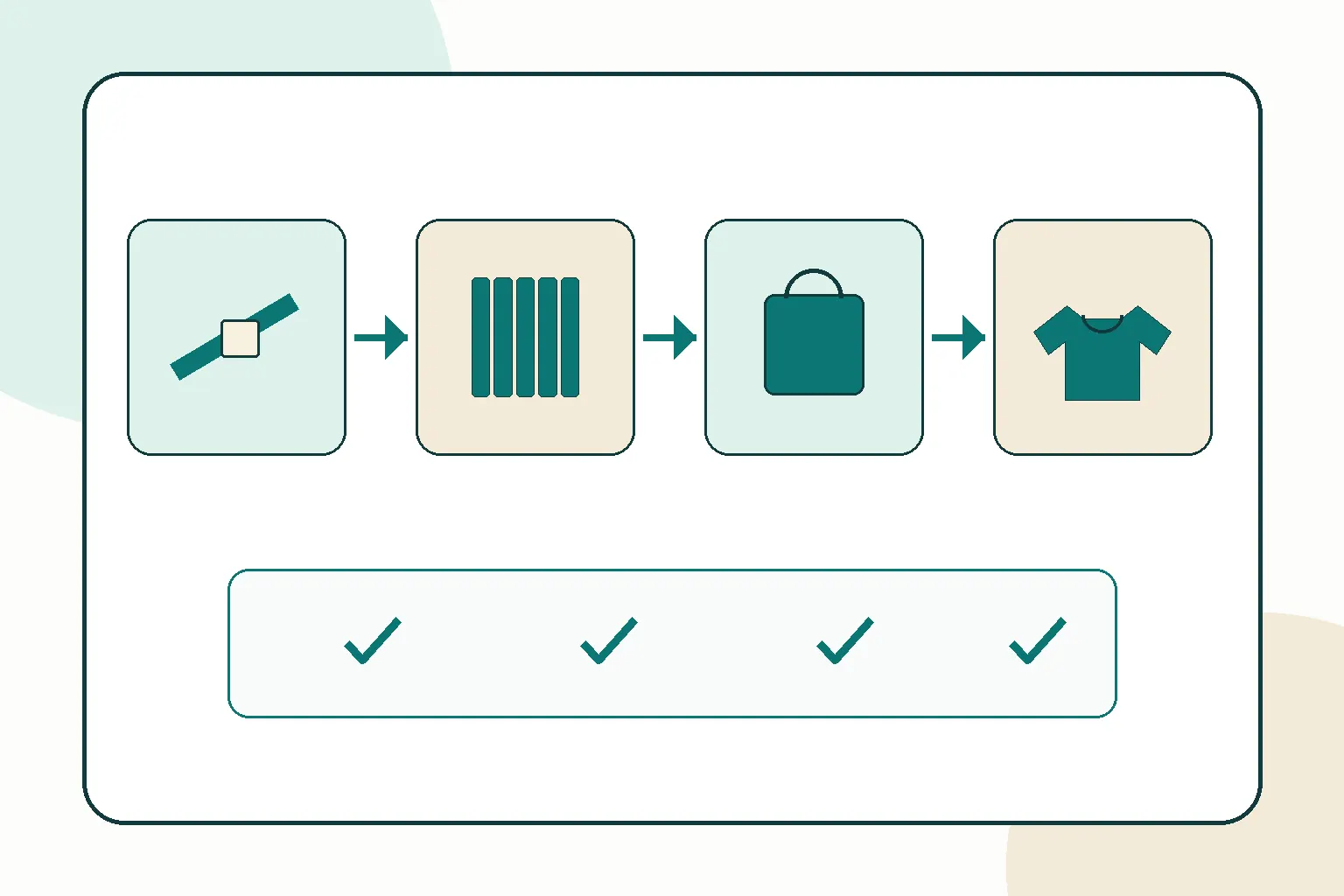
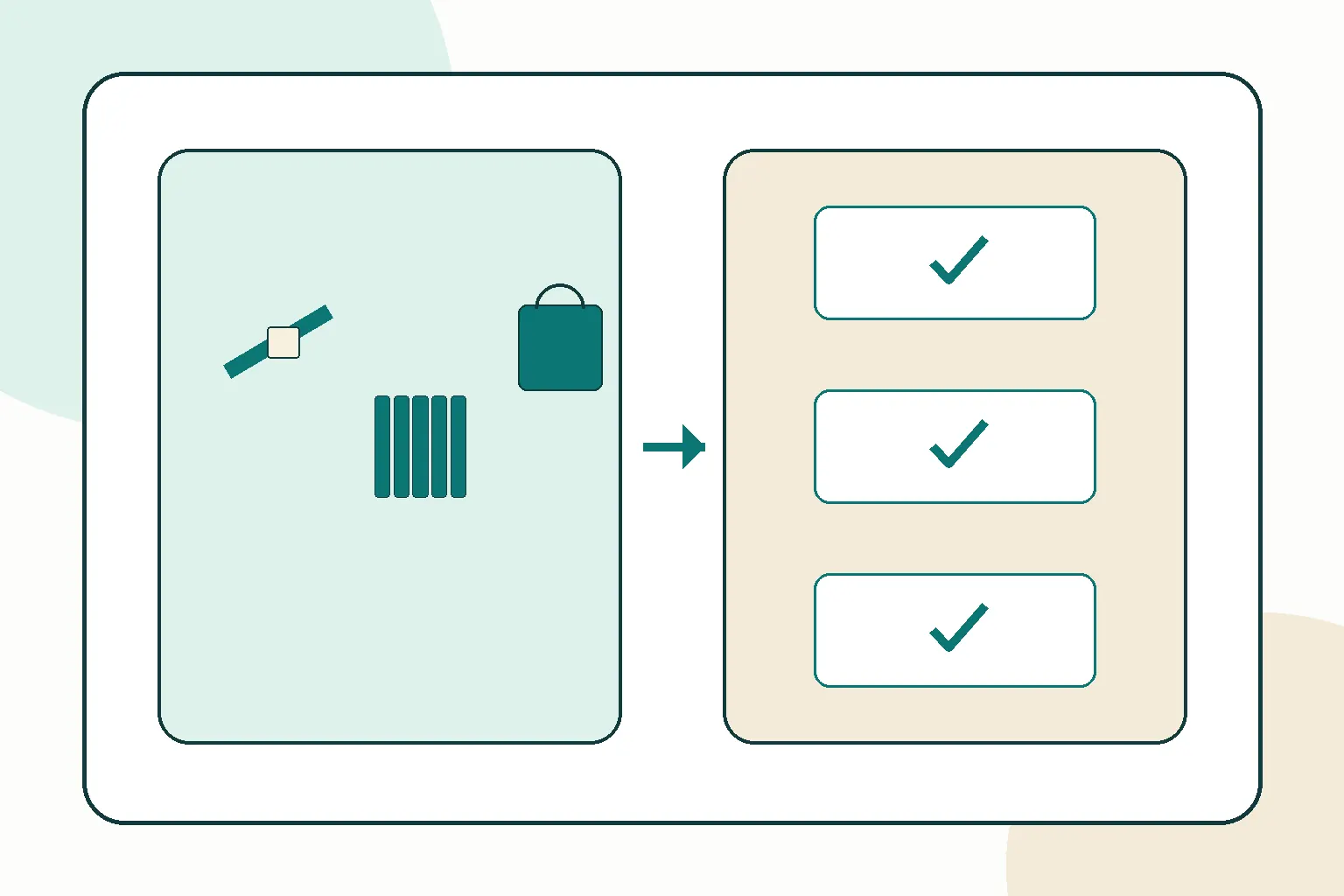
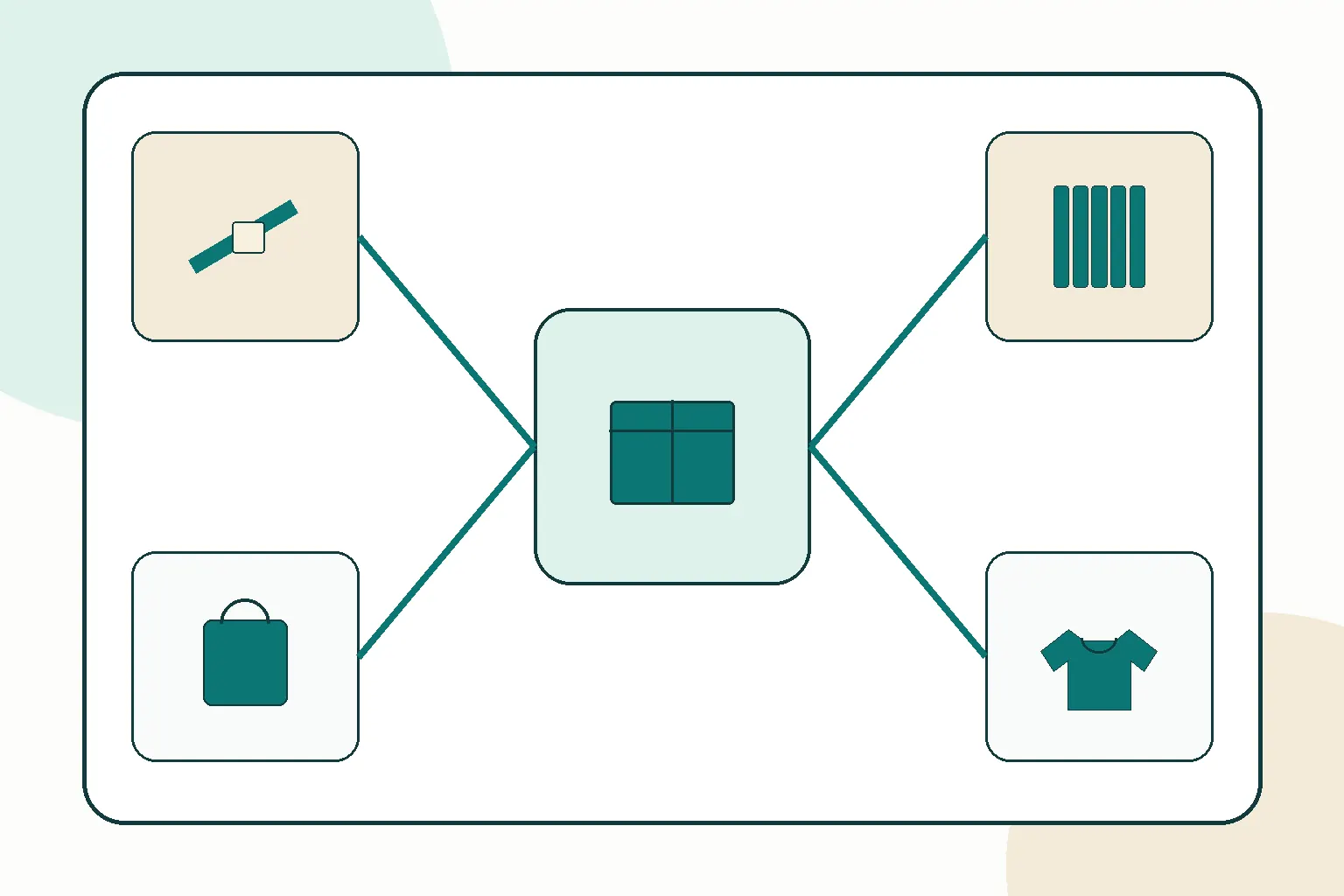
Incoming control confirms the identity and project fields of materials, trims, hardware, decoration inputs and packing components. First-article review checks whether the released inputs and process setup produce the intended result.
01
Incoming material gate
Check the fields that matter to the approved product: material identity, color or shade, dimensions or weight, surface condition, finish, component geometry, labels and packing inputs.
02
First-piece gate
Compare construction, dimensions, orientation, decoration, component operation and workmanship to the released references under agreed conditions.
03
Contain before use
Identify nonconforming or uncertain inputs, separate them from released stock and record who can approve replacement, rework, concession or rejection.
03 / process control
Place inline checks where defects are created and still containable
A useful inline plan follows the process map. It checks setup stability, material and component handoffs, measurements and interfaces at the operation that can create the failure—not only when finished goods reach a table.
| Product route | Risk point | Useful process evidence | Boundary |
|---|---|---|---|
| Coated rainwear | Cut orientation, seam, tape and closure interfaces | First piece, dimensions, workmanship and agreed seam checks | Visual review does not establish every exposure rating |
| Flexible PVC | Material identity, weld setup, overlap and edge finish | Validated coupon or sample plus process observations | Results apply to the tested material and settings |
| Headwear and textiles | Panel shape, stitching, finishing, size and shade | Approved fit/sample reference and measured checkpoints | Appearance terms need buyer-defined references |
| Cargo control | Webbing, stitching, hardware mating and assembly direction | Component identity, construction record and relevant test plan | Safety or strength claims need the specified evidence route |
| Promotional decoration | Artwork version, position, color, cure or adhesion | Approved proof, first decorated article and process samples | On-site checks do not replace regulated laboratory work |
04 / finished-product inspection
Use final inspection as a defined lot decision, not a general quality guarantee
The finished-product plan must define the lot, sampling method, inspection level, defect categories, acceptance values, tests, packed percentage, reference files and decision authority. Those choices belong to the project.
01
Confirm lot and sampling logic
Identify the lot composition and the standard or buyer method used to select units. AQL values and inspection levels should be agreed rather than copied from an unrelated product.
02
Separate observations and tests
Record appearance, workmanship, dimensions, function, labeling, quantity and packing as distinct result families. State test conditions and whether any checks consume or damage samples.
03
Report facts before verdicts
A report should show inspected quantity, findings, defect classification, measurements, photographs, conditions and unresolved exceptions so the release decision can be reproduced.
05 / packing and release
Inspect the sellable and shippable unit, not only the unpacked product
A conforming product can still arrive unusable when assortment, labels, inner protection, carton count, dimensions, weight, marks or handling resistance are wrong. Packing control belongs in the released specification.
01
Check individual and retail packs
Confirm product identity, orientation, inserts, labels, barcode data, protection and the exact quantity per pack.
02
Check assortment and cartons
Verify SKU mix, inner count, master-carton count, marks, dimensions, weight limits, closure and agreed handling features.
03
Connect release to the shipment
Keep inspection status, corrected exceptions, packed quantity, carton records and buyer release authority aligned before loading.
06 / nonconformance
Contain affected scope before debating the remedy
When a defect or uncertainty is found, the first responsibility is identification and control. The team then investigates scope and cause, confirms decision authority and records the disposition and verification route.
- 01Identify and contain
- 02Assess scope and cause
- 03Approve disposition
- 04Verify and release
01
Protect unaffected evidence
Preserve lot, shift, material, machine, operator, artwork and packing identity so potentially affected units can be located without treating the entire order as identical.
02
Assign disposition authority
Rework, sorting, replacement, concession, rejection or additional evidence require named approval and a documented condition. Suppliers should not silently lower the specification.
03
Reopen the right gates
A material, process or packing change reopens the decisions it can affect. Verification should confirm the corrected condition and the containment boundary before release.
07 / independent verification
Plan buyer or third-party access while the required evidence still exists
Independent inspection can add useful separation between production and release, but it must be scheduled against the real process stage. The buyer should specify access, records, sample selection, on-site tests and report ownership before goods are sealed or moved.
01
Define who selects samples
State whether units are drawn by the inspector, supplier or buyer and how cartons, times, colors and SKUs are represented.
02
Separate audit, inspection and laboratory work
Facility qualification, product-lot inspection and method-controlled testing answer different questions. One report should not be stretched to cover another scope.
03
Keep release authority explicit
An inspector reports observations and a result against the agreed plan. The commercial release decision, exceptions and corrective-action approval must remain assigned.
08 / category controls
Continue through the product route that owns the inspection risk
Company-level quality logic coordinates records and responsibility. Product pillars preserve the different material, construction, performance, decoration and destination decisions that determine the actual control plan.
Quality-control FAQ
Questions procurement teams ask before defining an inspection plan
Does a final inspection replace process control?
No. Final inspection observes a defined sample or lot condition after most defects have already been created. Incoming, first-article and in-process controls address risks while correction and containment are still practical.
Which AQL should be used for every order?
There is no single automatic answer. The buyer and supplier should agree the sampling standard, inspection level, critical-major-minor definitions and acceptance values for the exact product, market and failure consequences before inspection.
Can an on-site inspection replace laboratory testing?
No. Visual, dimensional, functional and packing checks at the production site have a different scope from chemical, regulated safety or method-controlled laboratory work. The evidence plan should state which route owns each requirement.
How are promotional decorations checked?
The approved artwork, color reference, size, position, orientation, substrate and decoration method should be frozen. First-article and process checks can then target alignment, appearance, adhesion or durability under agreed conditions.
What happens when a defect is found?
Affected material or product is identified and contained, the scope is investigated, disposition authority is confirmed, corrective action is recorded and the agreed re-inspection or release gate is applied.
Can a buyer appoint an independent inspector?
Independent inspection can be included in the project plan. Access, timing, sampling, documents, tests, report ownership and release authority should be agreed before production or packing makes the requested observation impractical.
Next decision
Turn your acceptance criteria into a staged quality plan
Send the product revision, intended use, destination, quantities by SKU, material and construction priorities, artwork, defect concerns, evidence list, packing instructions and required decision point. EverBen can then return a checkpoint map showing references, methods, timing, responsibility and release boundaries.