
PRODUCTION CAPABILITIES / ROUTE BEFORE CAPACITY
Map the Right Production Route before Quoting Capacity
EverBen coordinates different material, construction, decoration, assembly and packing routes for multi-category B2B programs. Capability is confirmed against the exact product instead of inferred from one general factory statement.
A responsible answer separates what the approved sample requires, where each step will occur, which evidence applies and what capacity window is available for the requested SKU mix.
01 / capability fit
Treat capability as a product-to-process match, not a supplier adjective
The first screening question is not whether a supplier says it can make a product. It is whether the proposed material, construction, machinery, operator skill, control plan and packing route can reproduce the approved revision at the requested commercial scale.
01
Start with use and failure consequence
State who uses the item, where it is used and what happens if a seam, coating, weld, buckle, print or pack fails. This decides which capability evidence deserves priority.
02
Translate the product into operations
Break the item into material receipt, cutting, joining, decoration, component assembly, inspection, packing and release. Some items need one dominant route; others need controlled handoffs.
03
Confirm the responsible route
Identify the production facility or approved resource for each material process, who owns changes and how the resulting evidence links to the final SKU.
02 / development and samples
Use the sample room to close decisions before a production line inherits ambiguity
Development capability is the ability to turn a brief into controlled decisions. A visual mock-up, material swatch, seam coupon, hardware set, artwork proof, pre-production sample and packed unit answer different questions and should not be treated as interchangeable approvals.
01
Technical brief and pattern
Record dimensions, tolerances, construction, orientation, component references and artwork placement. Every open field should be labeled instead of silently guessed.
02
Material and process trials
Use swatches, weld or seam coupons, print samples and hardware mating checks to test the exact construction route before complete-sample approval.
03
Controlled pre-production unit
Freeze the product, artwork, label, pack and revision references that production and inspection will follow. Approved exceptions must be explicit.
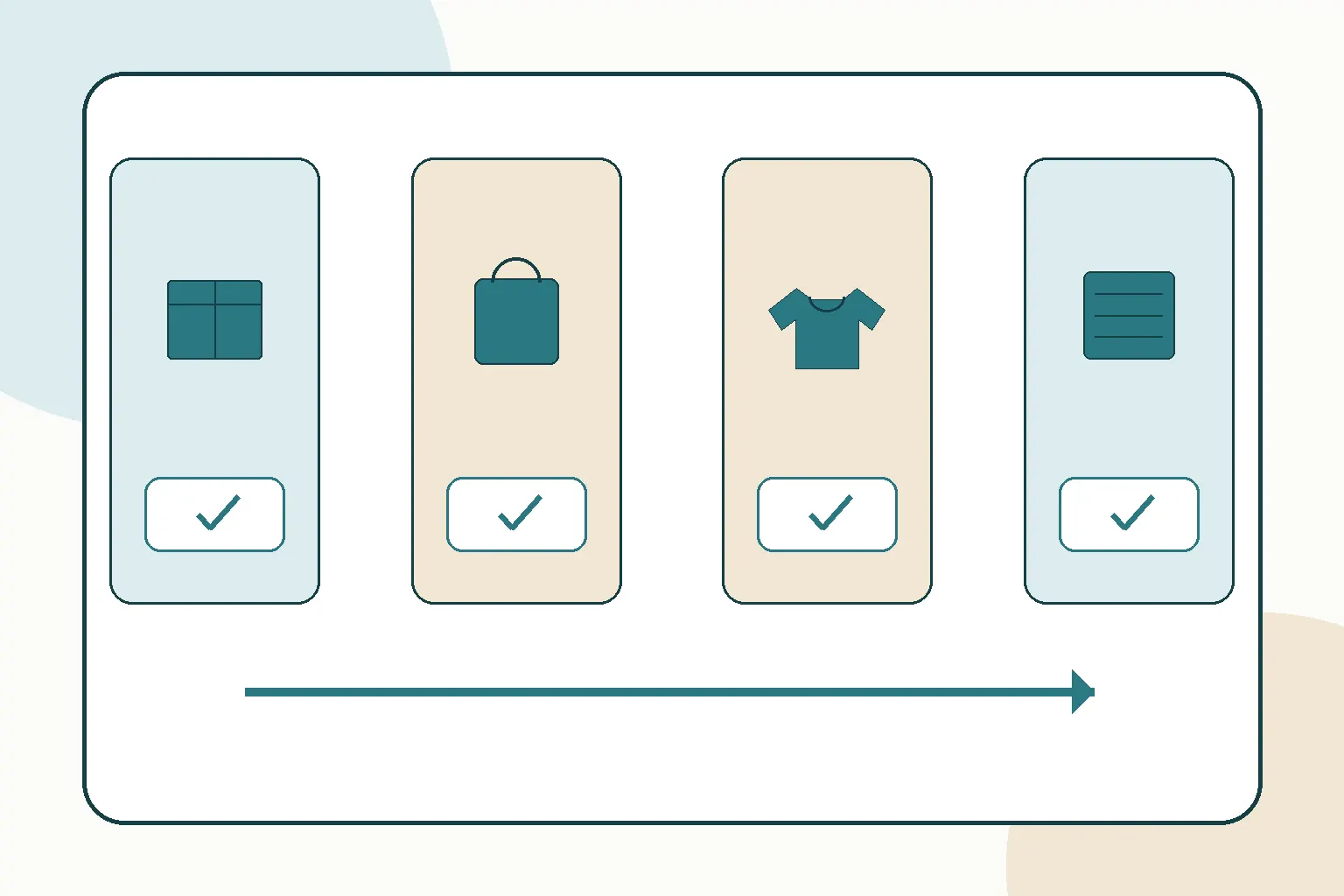
- 01Brief and risk map
- 02Component trials
- 03Complete sample
- 04Released references
03 / construction families
Separate sewn, taped, bonded and welded product routes
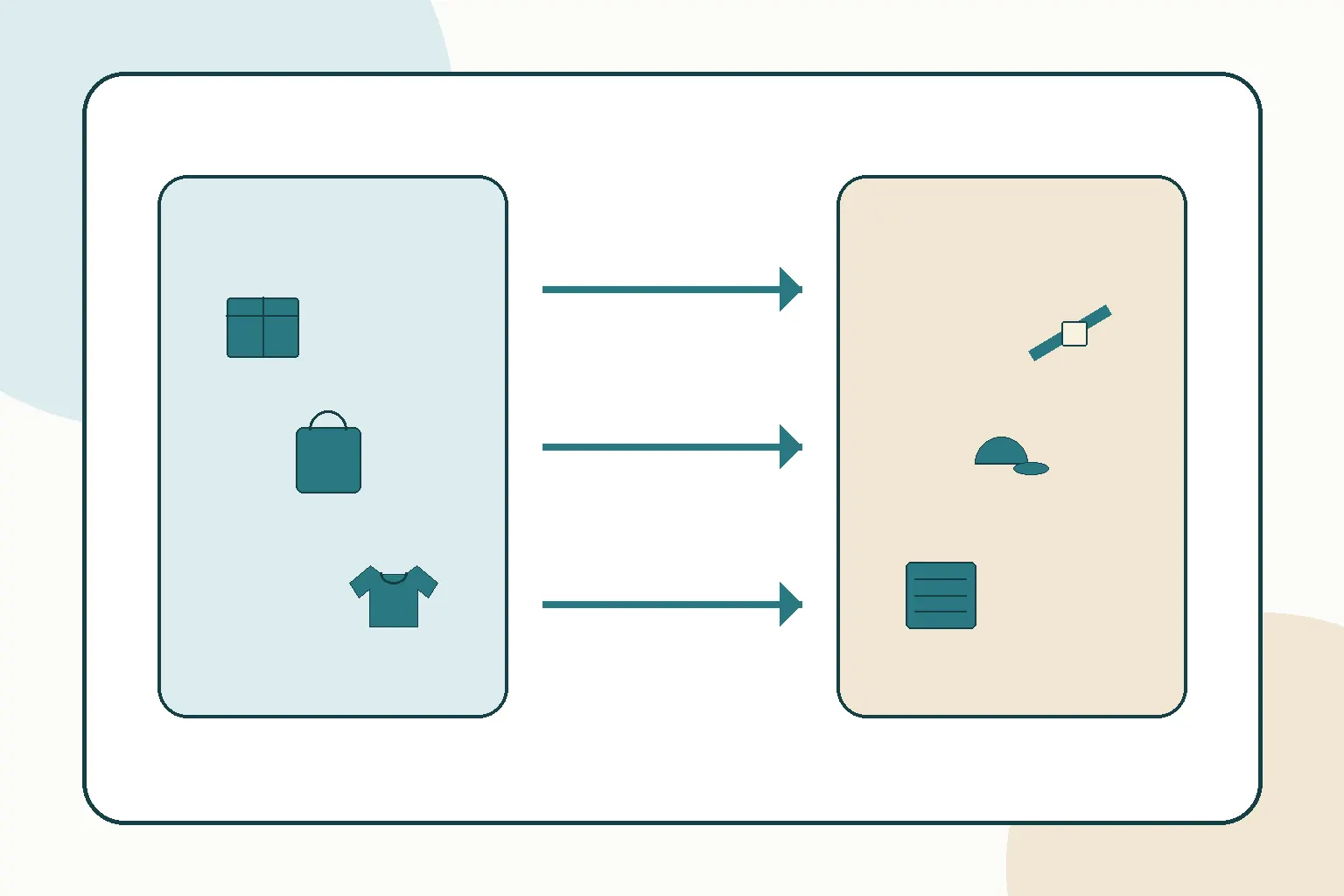
A coated textile garment and a transparent PVC item can look equally waterproof in a photograph while needing different joining methods, fixtures, process settings and inspection logic. The route must follow the approved material system and use.
01
Cut-and-sew textile route
Pattern accuracy, grain or stretch direction, needle and thread choice, seam allowance, reinforcement, closure installation and finishing control the result. Seam taping may be a separate process.
02
Thermal or RF joining route
PVC and compatible films may use high-frequency, thermal, hot-air or other validated joining methods. Material formulation, thickness, overlap, dwell, pressure and tool geometry influence the weld.
03
Hybrid construction route
Some products combine sewn shells, taped seams, welded liners, glued reinforcement, webbing or hardware. Each interface needs its own sample evidence and change rule.
04 / process families
Coordinate decoration, components and soft-goods finishing without hiding specialist work
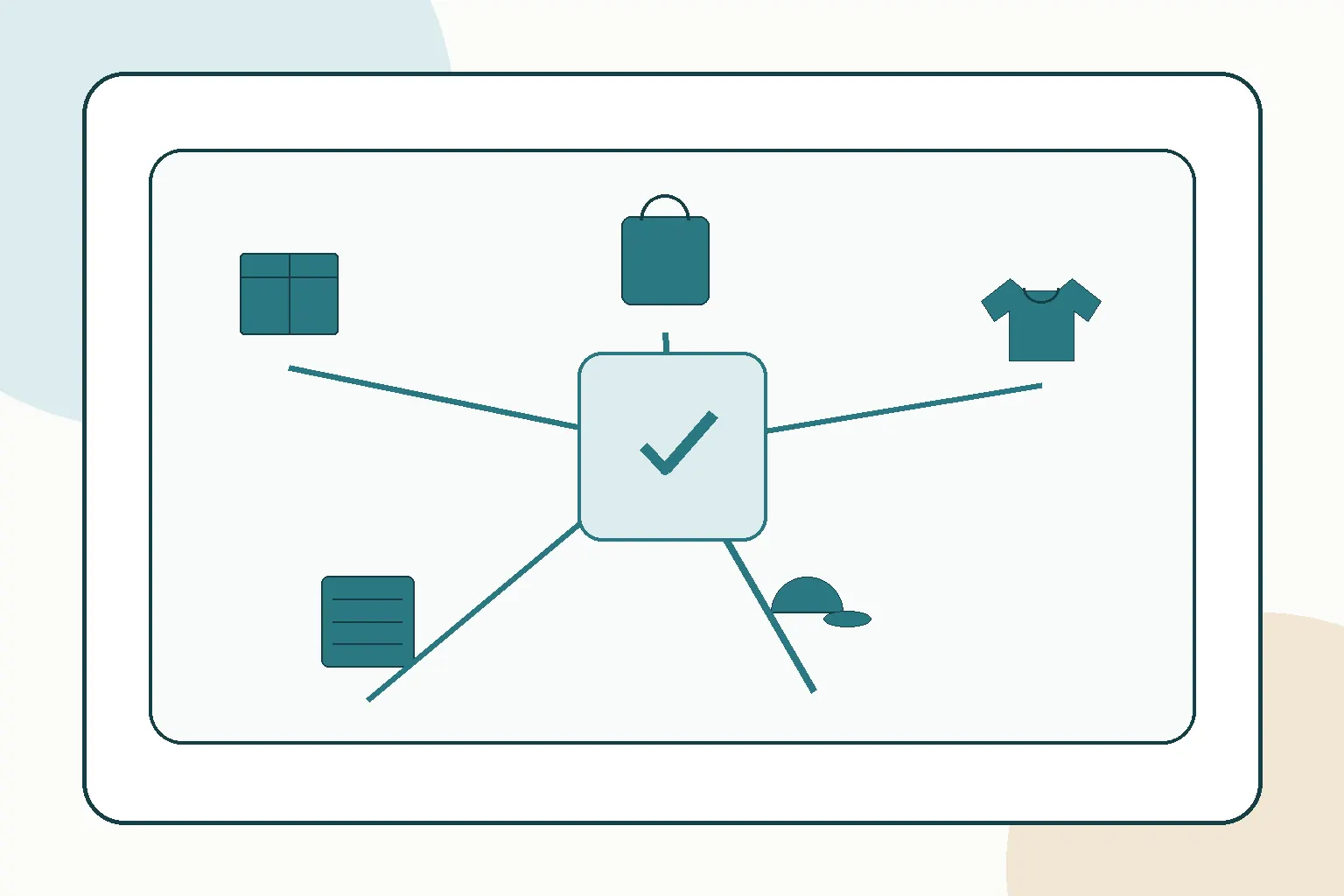
Multi-category programs often combine operations that do not belong on one line. The control task is to route each operation to a competent resource and preserve a single approved specification through every handoff.
| Process family | Typical controlled inputs | Route evidence to request | Common handoff risk |
|---|---|---|---|
| Decoration and printing | Artwork, substrate, color reference, size and position | Process-specific proof or decorated sample | Color or adhesion changes after substrate substitution |
| Webbing and hardware | Fiber, width, weave, strength target, ratchet or buckle geometry | Component identity, mating sample and relevant test plan | Compatible-looking hardware that changes function |
| Headwear assembly | Panel shape, interfacing, crown, brim, closure and embroidery | Fitting sample, construction reference and artwork approval | Shape changes between sample and bulk materials |
| Towel and cleaning textile | Fiber, weight, pile, edge, size, color and decoration | Material identity, dimensional and appearance checkpoints | Shrinkage, lint or edge changes after finishing |
| Dry bag and outdoor assembly | Coated fabric, seam route, closure, webbing and hardware | Complete functional sample and defined test conditions | Interface failure between seam, closure and components |
05 / capacity and calendaring
Confirm a project capacity window from the actual SKU mix and process load
A published daily number can be misleading when it ignores material readiness, model complexity, changeovers, decoration, sample approval, inspection and packing. EverBen confirms capacity and timing after the commercial and technical route is defined.
01
Calculate the workload
Separate quantities by SKU, color, size, artwork and pack. Add the operations, changeovers and inspection intensity that each variation requires.
02
Check constraints in sequence
Review material lead time, approved-sample date, specialist process slots, component availability, line or cell load, quality checkpoints and packing resources.
03
State a dated commitment
A useful capacity response names the revision, quantity mix, assumptions, planned milestones and the events that can reopen timing. It is not a permanent universal output claim.
06 / production handoff
Release production only when product, evidence and packing references agree
The most important handoff is not a verbal instruction to start. It is a controlled set of references that production, in-process inspection, final inspection and packing can all identify.
01
Release the build references
Connect drawings, bill of materials, material and component approvals, artwork, sample, tolerances and permitted exceptions to one revision.
02
Place checks at risk points
Incoming, first-piece, in-process and final checks should target the material, interface or operation where a defect can be created or become expensive to contain.
03
Freeze the packing route
Confirm individual pack, protection, assortment, carton count, marks, dimensions, weight limits and destination handling before finished goods accumulate.
07 / verification boundary
Ask capability questions that can be answered with project evidence
A production page should help buyers investigate, not replace due diligence. Facility documents, equipment observations, operator records, samples and inspection reports each support only the scope they actually show.
01
Verify facility relevance
Confirm which legal entity and location performs the important operations for the exact product. A company document should not be stretched to an unrelated site or process.
02
Verify the process on the sample
Ask how material, joining, decoration and component controls demonstrated on the approved unit will be maintained in production.
03
Verify change and exception ownership
Define who can propose a substitution, what evidence is needed, who approves it and how affected material or inventory will be identified.
08 / category entry points
Enter the production map through the product system that owns the risk
Each pillar keeps the commercial, material, construction and evidence decisions appropriate to its product family. Use the company capability page to understand coordination, then continue through the relevant product route.
Capability-specific FAQ
Questions buyers ask before confirming a production route
Does EverBen use one production line for every category?
No. Rainwear, PVC products, headwear, towels, cargo control and outdoor products require different materials, equipment, construction skills and control points. Each inquiry is routed by the approved product specification and process family.
Can you state a fixed daily capacity before the specification is known?
A responsible capacity answer needs the SKU mix, construction, decoration, inspection level, packing method, material readiness and requested shipment window. EverBen confirms a project-specific capacity plan rather than publishing one unsupported number.
How should buyers verify the proposed production route?
Ask for a process map tied to the exact product, a controlled sample, relevant material and construction evidence, responsible facility information, and the planned in-process and final checkpoints.
Which construction routes may apply to waterproof products?
Depending on the material and use, a product may use sewing, seam taping, adhesive bonding, RF or high-frequency welding, hot-air or thermal joining, or a combination. The method must be confirmed on the approved construction.
Can several product categories be consolidated into one shipment?
They can be coordinated when SKU identity, release status, packing, marks and carton records remain separate. Consolidation must not hide different inspection or destination requirements.
What should an initial capability inquiry contain?
Include product photos or drawings, intended use, material or performance priorities, dimensions, quantities by SKU, decoration, destination, packing, evidence expectations and the decision date. List unresolved fields as questions that require project confirmation.
Next decision
Request a capability answer tied to your exact product and delivery window
Send product drawings or photos, intended use, market, materials, dimensions, quantities by SKU, decoration, evidence expectations, packing and target date. EverBen can return a route map that separates confirmed capability, open trials, specialist handoffs and timing assumptions.