
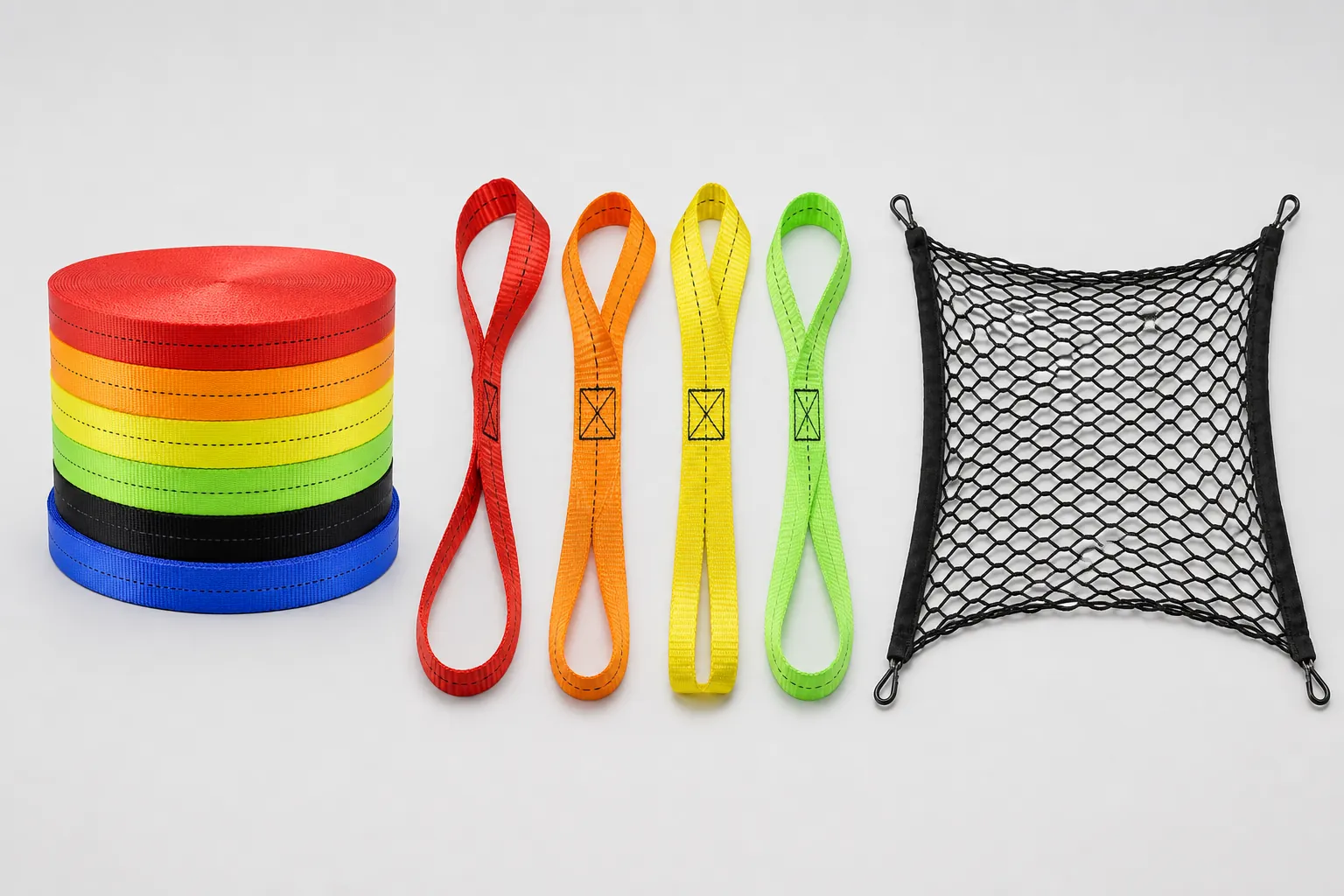
PRODUCT LANDING / THREE DISTINCT TEXTILE CARGO FAMILIES
Polyester Webbing, Soft Loops and Cargo Nets Controlled as Distinct Product Programs
A roll of woven polyester webbing, a sewn soft-loop strap and an elastic cargo net are not interchangeable products. Each has a different material system, construction route, interface and evidence boundary, even when they share a color or cargo-control context.
This product page separates the three families, then turns width, weave, sewing, mesh, hooks, dye, inspection, packaging and continuity into approval gates. It does not copy strength values from legacy filenames or treat a generated photograph as product evidence.
01 / FAMILY BOUNDARY
Separate Roll Webbing, Sewn Soft Loops and Elastic Cargo Nets
Start with the delivered object and the job it is expected to perform. A shared polyester or cargo-control label cannot merge different constructions or approvals.
- 01Name the delivered family
- 02Map its complete construction
- 03Define the intended interface
- 04Release family-specific evidence
01
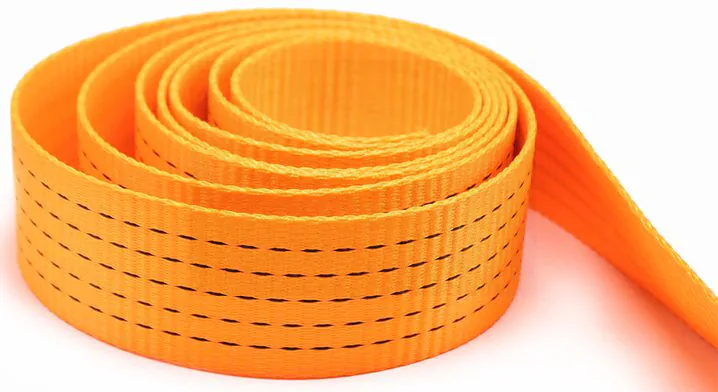
Polyester webbing rolls
Specify a continuous woven roll by yarn system, weave identity, nominal width, thickness or mass method, edge, color, roll length and winding. State whether it is input material for further assembly or a delivered component. A roll report cannot automatically represent later sewing, buckles, hooks or a complete restraint assembly.
02
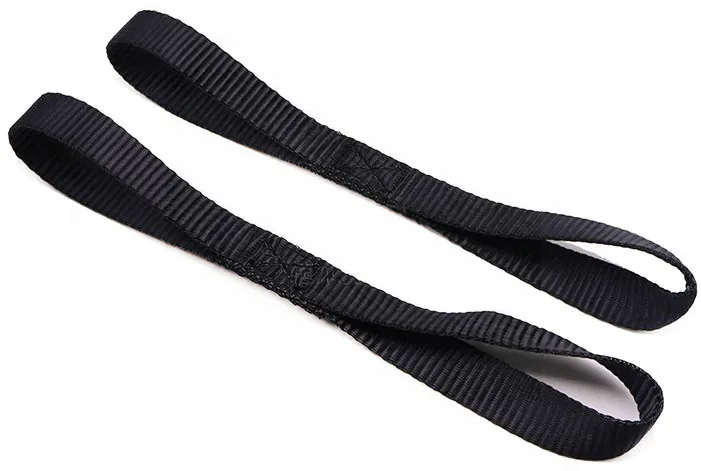
Sewn soft loops
Define a finished loop by webbing construction, cut length, finished circumference or lay-flat reference, overlap, stitch pattern, thread, protective sleeve if any and workmanship. State the intended connection context. The loop is a sewn assembly and should not inherit an unrestricted claim from the parent roll.
03
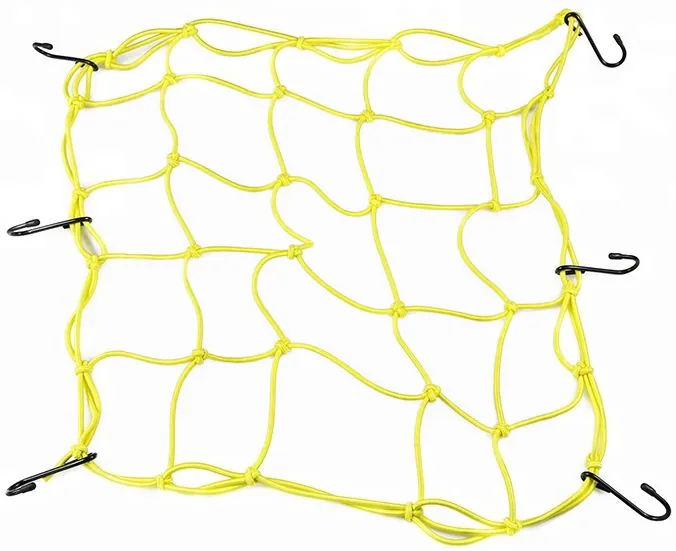
Elastic cargo nets
Identify cord or webbing material, elastic element, mesh geometry, overall dimensions, perimeter, junction type, hook count, hook construction and attachment. Confirm the containment purpose and cargo context. A net should not be described as a tie-down substitute or rated from one hook or strand without matched evidence.
04
Excluded uses
Keep lifting, towing, recovery, fall protection, personal restraint and any unreviewed road-securement role outside the offer. State exclusions consistently in the RFQ, sample record, label and guide. The buyer or qualified system owner remains responsible for vehicle anchors, restraint layout, tiedown count and field suitability.
02 / WEBBING CONSTRUCTION
Freeze the Polyester Webbing Identity before Discussing Performance
Polymer name alone is not a construction. Control the yarn, weave, edge and source that make a roll repeatable.
01
Yarn and polymer declaration
Request the supplier's material and yarn declaration for the proposed construction, including any recycled-content or treatment claim that will appear commercially. Keep the declaration linked to a source and revision. Do not convert the word polyester into a universal statement about strength, elongation, weathering, chemical resistance or service life.
02
Weave and yarn architecture
Define weave pattern, warp and weft relationship, yarn form, density reference and any visible tracer or identifying feature. Retain an approved sample and controlled close photographs. A change that looks minor can affect thickness, hand, abrasion, dye appearance, sewing and measured behavior, so it requires documented review.
03
Edges and surface
Specify woven or otherwise finished edges, acceptable waviness, fray limits, surface contamination and any finish or heat treatment. State how cut ends will be handled when the roll becomes an assembly. Visual smoothness supports workmanship review but cannot replace an agreed abrasion, friction or performance method.
04
Source and revision
Assign the construction a controlled code that resolves to mill or approved source, material recipe, setup, color route and change history. Define notice and reapproval triggers. If a second source is proposed, treat equivalence as a documented decision supported by matched samples and evidence rather than a purchasing assumption.
03 / DIMENSIONS
Define Width, Thickness, Roll Length and Measurement References
Comparable dimensions require named instruments, conditioning, locations and tolerances, not isolated catalog numbers.
01
Width method
State nominal width, tolerance, measurement instrument, specimen condition, sampling locations and treatment of edge curvature. Connect the width to the intended buckle, hook, guide or sewing field where applicable. A single center measurement cannot describe a roll when edge or process variation matters to the buyer's interface.
02
Thickness or mass
Choose the buyer-approved thickness, mass-per-length or related construction check and define pressure, specimen state and sampling. Avoid mixing values obtained under different instruments or compression. Use the result to preserve identity and fit; do not present it as a substitute for strength or complete-assembly qualification.
03
Roll length and winding
Define gross or net usable length, allowed joins, core dimensions, winding direction, roll diameter constraints and length verification method. State whether tails, setup waste or cut samples are included. Packaging measurements and saleable length should remain distinct so a freight estimate cannot silently redefine delivered material.
04
Tolerance stack
Map how width, thickness, fold, sewing and hardware-window tolerances interact in soft loops or other assemblies. Name which dimension controls release when limits conflict. Supplier capability, sample observations and inspection frequency should support the final band instead of accepting a convenient tolerance copied from an unrelated item.
04 / SOFT LOOPS
Specify Soft Loops as Complete Sewn Connections
The finished loop depends on material identity, overlap, sewing and the surface it contacts.
- 01Approve parent webbing
- 02Define loop geometry
- 03Freeze sewing and thread
- 04Review the complete loop
01
Finished geometry
Define lay-flat length, circumference, usable opening or other reference with tolerance and conditioning. Identify whether the loop is intended to pass through itself, around a protected point or into another approved connection. A photograph cannot establish the usable geometry or suitability for an anchor.
02
Overlap and fold
Control overlap length, layer order, fold orientation, cut-end treatment and any protective sleeve. Check that the stack remains compatible with the intended contact and packaging. Avoid changing overlap merely to use available stock because it changes the represented sewn object and may require renewed evidence.
03
Stitch and thread
Specify stitch pattern, field dimensions, thread identity, stitch density reference, starts, stops and acceptable workmanship. Use first-piece and production checks. Visible stitching confirms construction only; it does not prove a numeric capacity unless a matched method and exact assembly revision support the released statement.
04
Contact protection
State which surfaces the soft loop is intended to protect and which remain outside the claim. Review abrasion, edge approach and possible pinch points using buyer-supplied samples where appropriate. The word soft describes the absence of metal at the contact route, not guaranteed prevention of damage.
05 / CARGO NETS
Control Mesh, Perimeter, Junctions and Hooks as One Net
A cargo net contains through a connected field. Overall dimensions alone cannot describe its behavior or interfaces.
01
Mesh and material
Specify elastic cord, woven strap or other construction, nominal mesh geometry, junction spacing, strand count method and relaxed measurement condition. Identify the intended containment range without publishing an unsupported stretch limit. Material declarations and complete-net observations should remain separately traceable.
02
Perimeter construction
Define perimeter cord or webbing, corner reinforcement, knot or junction route and how the field connects to the border. Inspect continuity, symmetry and loose ends. A perimeter change can alter hook placement and load distribution, so it belongs in the controlled BOM and change review.
03
Hooks and attachments
Control hook count, body material, coating, opening, latch if any, orientation and attachment to the perimeter. Match hooks to buyer-supplied anchor geometry through safe unloaded observation. Component appearance or a generic hook rating cannot authorize the complete net, vehicle anchor or containment plan.
04
Relaxed and installed states
Define overall length and width in a named relaxed condition, then describe the intended installed range only through buyer-approved evidence. Separate packaging compression from usable geometry. Do not photograph a heavily stretched net and treat the image as a specification, test result or universal fitting instruction.
06 / INTERFACES
Resolve Sewing, Junctions, Hardware and Receiving Anchors
Every connection can limit the delivered assembly and must remain linked to the exact receiving interface.
- 01Identify receiving interface
- 02Freeze connection geometry
- 03Observe fit without service load
- 04Record the bounded decision
01
Webbing to sewing
For loops or fabricated straps, connect webbing identity to fold, stitch, thread and cutting process. Preserve a complete sample and its source-lot linkage. If the webbing construction changes, a familiar stitch pattern does not automatically maintain the prior evidence relationship.
02
Net junctions
Define knot, stitched crossing, molded junction or other connection by drawing and workmanship criteria. Inspect spacing and security at controlled frequency. A single strand result cannot describe the network of junctions, border and hooks that forms the delivered net.
03
Hook to perimeter
Specify how each hook is tied, looped, sewn or otherwise retained to the perimeter and how orientation is controlled. Review potential abrasion and disengagement against the intended anchor sample. Replacement hooks require their own geometry, material, attachment and change approval.
04
Buyer interface
Name buckle, anchor, rail, eye, rack or cargo surface supplied by the buyer and the responsible reviewer. Record fit observations as contextual evidence. The factory product page should not certify the vehicle structure, field installation, cargo-control plan or use beyond the agreed object.
07 / EVIDENCE
Map Every Claim to Its Exact Material or Complete Assembly
Evidence is useful only when the object, method, specimen, result, wording and destination stay connected.
01
Claim wording
Write the exact proposed material, strength, elongation, color, compatibility or construction statement and where it will appear. Include units and conditions for any number. Generic high-strength or heavy-duty language should remain blocked until the buyer accepts a defined object and evidence route.
02
Represented object
State whether a record covers yarn, woven webbing, a specimen strip, sewn soft loop, elastic strand, junction, hook or complete cargo net. Do not bridge from component to assembly without an explicit, accepted derivation. Preserve SKU, BOM and revision in the decision record.
03
Method and specimen
Record test method and edition, conditioning, specimen dimensions, direction, count, equipment, speed or load profile where relevant, deviations and result. Separate maximum force, elongation, recovery, rubbing fastness and other properties. A certificate title alone cannot show whether its scope matches the claim.
04
Destination review
Name the buyer or qualified reviewer who decides whether the evidence supports the country, channel, use context and wording. Keep accepted, conditional and rejected statements visible. Supplier research frames questions but does not grant legal approval or replace destination-specific review.
08 / SAMPLE GATES
Approve Construction, Interface, Color and Packaging in Sequence
Separate sample gates prevent a stock item or attractive color from becoming unintended final approval.
- 01Confirm construction sample
- 02Review interfaces
- 03Release color and claims
- 04Retain packed reference
01
Construction sample
Confirm webbing weave and dimensions, loop geometry and sewing, or net mesh, perimeter, junctions and hooks on the requested family. Log differences from the proposed BOM. A stock sample can establish discussion geometry but should not silently approve source, color, evidence or final packaging.
02
Interface sample
Use buyer-supplied buckles, anchors or controlled mockups to observe feed, seating, clearance and release without service loading. Record product and interface revisions. Fit review is not a vehicle securement test, cargo test or approval of the surrounding structure.
03
Color and evidence sample
Produce the agreed shade on the intended construction and link any required specimens to that sample or production-equivalent material. Review visual and instrumental color under stated conditions. Keep shade acceptance, fastness testing and performance testing as separate decisions with separate records.
04
Packed retained reference
Approve labels, fold or winding, hook protection, counts and carton presentation on real units. Retain a physical sample or controlled photographs, measurements, BOM, artwork, lot linkage and reviewer disposition. Production and reorders need a stable comparison object rather than memory.
09 / DYE AND CUSTOMIZATION
Control Shade, Fastness, Identity and Artwork Separately
A color match answers only the agreed color question. Surface transfer and exposure behavior need their own methods and limits.
01
Physical color master
Provide a retained master, target lot or approved lab dip on a comparable construction. Define viewing light, background, orientation and whether visual or instrument comparison controls. Digital previews and product photos help teams discuss shade, yet neither should become the production acceptance standard.
02
Instrument agreement
If color difference is measured, define instrument geometry, illuminant, observer, aperture, specimen preparation, data format and the buyer-approved calculation and tolerance. Do not publish an arbitrary color-difference threshold. Maintain the actual spectral or colorimetric record and sample identity where required.
03
Fastness requirements
List dry and wet rubbing, light, weather, water, laundering or other exposures only when relevant to the use and destination. Define methods and acceptance rules independently. A shade that matches the master can still have an open fastness question, while a fastness result does not prove visual shade match.
04
Artwork and identity
Control print, woven label, barcode or pack artwork through exact content, language, size, color, placement, legibility and revision. Ensure any material or performance wording resolves to released evidence. Retire superseded files so a new dye lot cannot revive an obsolete claim.
10 / QUALITY
Convert Family-Specific Risks into Receiving, Process and Release Controls
Inspection should preserve the approved construction and evidence relationship from incoming material to packed lot.
- 01Verify incoming identity
- 02Approve first piece
- 03Inspect family-specific features
- 04Resolve deviations before release
| Gate | Entity | Attributes | Decision record |
|---|---|---|---|
| Identity | Complete sample | BOM, dimensions, color and interface | Deviation log |
| Handling | Unloaded assembly | Threading, clearance, take-up and release | Buyer observations |
| Evidence | Exact assembly revision | Method, specimen, result and destination | Accepted and open claims |
| Decoration | Marked product and unit pack | Identity, language, artwork and legibility | Artwork release |
| Shipment | Lot and packed carton | Traceability, inspection, count and condition | Release authorization |
01
Incoming controls
Verify webbing or cord source, construction code, dimensions, color lot, thread, hooks, labels and packaging against controlled documents. Segregate mixed or substituted materials. Visual similarity cannot confirm polymer identity, finish, dye route or performance evidence, so source and lot records remain necessary.
02
Process controls
For rolls, check weaving, edge, winding and length; for loops, cutting, overlap and sewing; for nets, mesh, junction, perimeter and hook attachment. Use first-piece approval and defined frequency. Rework and setup changes should remain linked to the affected lot and revision.
03
Final release
Confirm dimensions, workmanship, operation where applicable, color reference, label, count, packing and documentation. Apply performance sampling only through its separate method and decision rule. A passed visual inspection cannot authorize strength, elongation, colorfastness or compatibility wording that it did not evaluate.
04
Deviation control
Define quarantine, reporting, root cause, rework, concession and disposal authority before production. Notify the buyer when a deviation touches a frozen material, interface, shade, sample or claim. Record affected quantity and lot linkage so partial shipments and reorders remain traceable.
11 / PACKAGING
Pack Rolls, Loops and Nets without Hiding Identity or Damaging Interfaces
Each family needs a packing route that preserves shape, prevents tangling and exposes the correct lot information.
01
Webbing rolls
Define core, winding direction and tension, protective wrap, roll label, moisture protection where justified and stacking. Keep usable length and any joins visible in records. Confirm a real roll and carton before freight calculations; do not reuse diameter or weight from another width or construction.
02
Soft-loop packs
Specify loop orientation, banding or pouch, quantity, color assortment and protection from crushing or contamination. Ensure buyers can open the pack without cutting near webbing. Unit and carton identity should distinguish loop geometry and construction rather than relying on color alone.
03
Cargo-net packs
Define folding sequence, hook covers or partitions, anti-tangle arrangement, unit bag, instructions and count. Avoid sharp compression that deforms hooks or junctions. Confirm that unpacking presents the complete net and all hooks for receiving inspection without implying a field installation method.
04
Traceability chain
Connect roll or assembly tag, unit pack, master carton, shipment documents, inspection and retained evidence through agreed lot fields. Define mixed-lot, split-roll and partial-shipment rules. Complaint and reorder investigation depend on resolving delivered goods to the approved construction and evidence revision.
12 / COMPARABLE RFQ
Compare the Same Delivered Webbing, Loop or Net Program
A useful quotation exposes construction, evidence, color, sampling, inspection and packing instead of hiding omissions in one unit price.
- 01Freeze family and BOM
- 02Expose evidence and sample scope
- 03Price the delivered pack
- 04Approve reorder controls
| Workstream | Required supplier disclosure | Closure gate |
|---|---|---|
| Product family | Roll webbing, sewn soft loop or complete cargo net; BOM, dimensions and tolerances | Complete sample |
| Evidence | Exact object, method, condition, result, destination and owner | Claim decision |
| Customization | Color master, fastness scope, identity fields, artwork and controlled pack | Decorated reference |
| Quality | Incoming, process, release, traceability and change controls | Inspection plan |
| Commercial total | Development, quantity, packing, inspection, timing and replenishment | Comparable quotation |
Price the delivered controlled assembly
The comparison starts with one approved BOM and extends through evidence, artwork, inspection, packaging, shipment and replacement support.
Do not reward an omitted line
Any excluded evidence, sample, pack or control remains visible instead of being mistaken for a lower equivalent price.
01
Configuration ladder
Request separate rows for each family, construction, dimension, color and interface option. State development and production quantities. Avoid blended prices that conceal whether a different weave, loop geometry, sewing route, mesh, hook or shade requires different material, setup or evidence.
02
Evidence and samples
List declarations, methods, specimens, sample rounds, color approvals, inspection and retained references as explicit commercial rows. State who supplies anchors or comparison masters. Missing evidence or an omitted sample is not an equivalent lower price; it remains an open scope item.
03
Timing dependencies
Map buyer input, material booking, construction sample, interface review, dye approval, evidence closure, artwork, production, inspection and dispatch. Treat dates as dependent estimates until scope and quantity are frozen. Do not imply stock availability or shipment timing without confirmation.
04
Reorder continuity
Ask how yarn or cord, weave or mesh, source, sewing, hooks, color recipe, labels, packs and evidence remain controlled. Define mandatory change notice and reapproval triggers. A replenishment price is comparable only when it preserves the approved object and decision trail.
What this sourcing route does not establish
This page defines a sourcing workflow; it does not verify material, working load limit, breaking strength, compliance, road approval, safe tiedown count or suitability for a specific cargo. Any released statement requires evidence for the exact complete assembly, while certification, quantity, pricing and dispatch remain quotation-specific.
Route-specific FAQ
Decisions required before webbing-loop-net approval
Are soft loops cut from the same webbing sold on rolls?
They may use a related polyester construction, but the finished loop adds cut length, overlap, stitching and handling interfaces. Approve the roll material and the sewn loop as separate controlled objects, with explicit traceability between them.
Can cargo-net strength be inferred from one cord or hook?
No. Net behavior depends on cord or webbing, knots or junctions, perimeter, mesh geometry, hooks and the complete assembly. A component record does not automatically support a finished-net statement.
How should a custom webbing color be approved?
Define a physical master, viewing condition, instrument or visual method, lot and roll sampling, tolerance and disposition. Separate initial shade approval from rubbing, light, weather or laundering fastness requirements.
Can an old product filename establish width or strength?
No. Legacy filenames and photographs are discovery inputs only. The RFQ should define measurement points, construction identity, test object, method, units, tolerances and the reviewer who releases any claim.
What must remain frozen for reorders?
Freeze the approved material source, yarn and weave or elastic construction, dimensions, sewing or junctions, hooks, color master, label, pack, inspection plan, evidence revision and change-notification route.
Scope handoff
Send one controlled textile cargo-product brief
Describe the requested family, use context, construction, dimensions, interfaces, color target, quantity, destination, evidence wording, inspection and packaging. Open material or performance relationships will be returned as questions rather than converted into unsupported claims.