
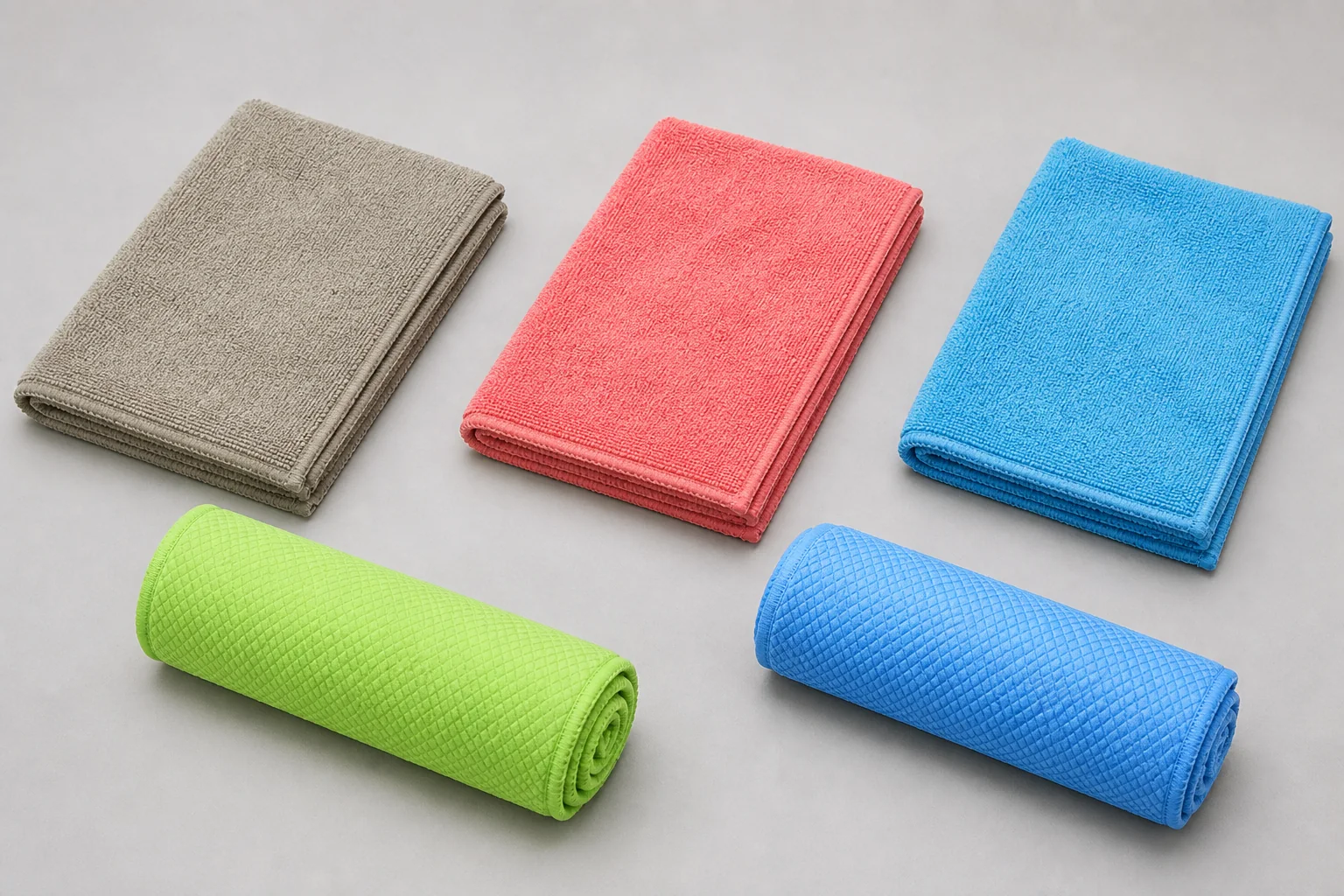
BUYING GUIDE / MICROFIBER BLEND, GSM AND WEAVE
How to Specify Microfiber Blend, GSM and Weave for Cleaning Towels
Microfiber is a material family, not a complete purchase specification. Buyers need the intended surface and soil, an identified textile route, a comparable weight basis, a complete towel sample and evidence from the exact wash and packing program.
This guide separates composition wording, filament and yarn construction, pile or weave, GSM, edge, color, care and release evidence. It helps a sourcing team compare like with like without turning a category name or one attractive swatch into an unsupported product claim.
01 / application boundary
Define the contacted surface, soil and wiping event before choosing microfiber
Automotive paint, coated glass, stainless steel, electronics housings and general interiors expose a cloth to different particles, liquids, pressures and visual acceptance. Begin with the real cleaning event and who controls chemistry and laundering.
- 01Map surface and soil
- 02Define liquid and motion
- 03Name observations
- 04Freeze the application boundary
01
Name the surface and condition
Record material, coating, finish, temperature state and sensitivity known to the buyer. Separate routine dust, oily film, water, polish and abrasive contamination rather than calling everything cleaning.
02
Describe the wiping motion
State dry or damp use, chemical, fold, passes, pressure, access, pickup and release steps. The same cloth can behave differently when loaded, folded or reused.
03
Set the acceptance observation
Define visible residue, lint, streak, retained particles, edge contact and surface change observations with lighting and decision ownership. Avoid claiming universal scratch safety from a fabric name.
02 / fiber identity
Control blend wording, filament route and textile identity together
A polyester/polyamide statement does not reveal how the filament, yarn and textile were made or finished. Require traceable supplier codes and complete samples for every route being compared.
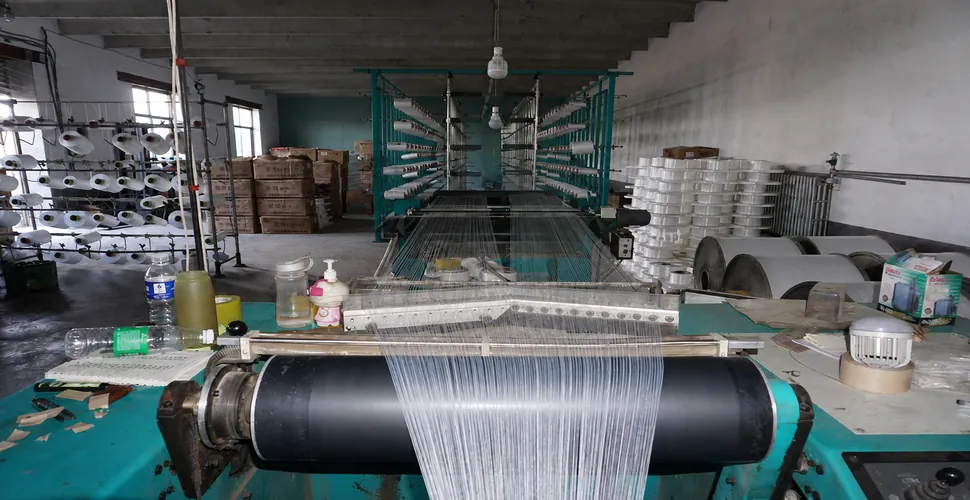
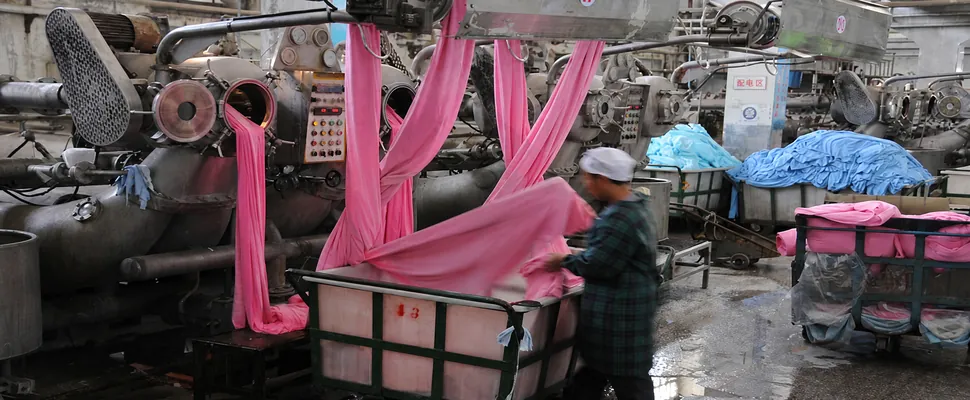
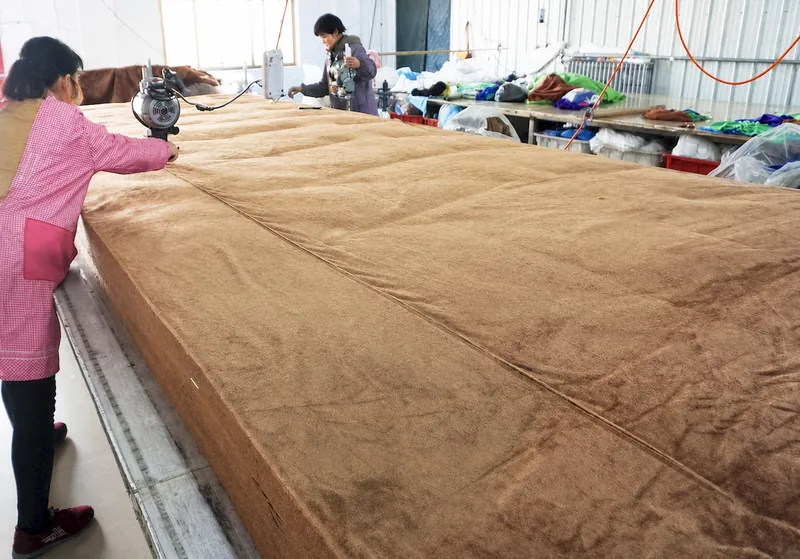
Work backward from the defined cleaning event
Resolve microfiber shorthand to surface, soil, liquid, motion, care, composition wording, textile code, pile or weave, weight basis, complete towel, packed reference and approval owner.
Keep swatch and finished-towel approval distinct
A swatch cannot prove complete dimensions, edge contact, wiping observations, wash response, decoration behavior or the packed product delivered to the buyer.
01
Declare the offered composition
Record exact proposed wording, percentage basis, textile code, supplier reference and document scope. Keep unverified composition or marketing language open until it matches the represented article.
02
Identify the filament and yarn route
Ask what construction information the supplier can support for the offered textile, including relevant filament, splitting or yarn details. Do not infer those facts from a generic microfiber label.
03
Connect identity to complete towels
Keep coded swatches beside complete front, reverse and edge views. A loose swatch cannot authorize finished dimensions, sewing, decoration, wash response or packing recovery.
03 / weight basis
Normalize GSM, unit weight and finished dimensions before comparing offers
A weight number is useful only when specimen state, area, conditioning and tolerance are aligned. Finished unit weight can expose differences that a nominal GSM field hides.
- 01Condition identified sample
- 02Measure area and mass
- 03Confirm finished unit
- 04Release one weight basis
01
State the measurement basis
Record whether the result belongs to bulk fabric, a cut specimen or a finished cloth, plus conditioning, equipment, area, units and calculation. Require suppliers to use the same comparison basis.
02
Pair GSM with unit weight
Measure complete size and finished unit weight on identified samples. Compare the relationship with hems, binding, labels and decoration instead of treating one nominal value as the whole product.
03
Relate weight to the job
Review bulk, foldability, hand pressure, liquid capacity, wringing, drying, laundry load and pack count for the stated application. More mass is not automatically a better outcome.
04 / pile and weave
Select pile, weave and finish by contact event, not by appearance alone
Waffle, short-loop, plush dual-pile and smooth cloths create different contact geometry and handling. Compare complete constructions under the same surface, soil, liquid and care method.
| Decision row | Required relationship | Gap indicator |
|---|---|---|
| Working faces | Pile or weave, direction, finish and reverse resolve to the complete towel | Generic microfiber label only |
| Weight | GSM basis, size and finished unit weight share one condition | Nominal GSM without method |
| Application | Surface, soil, liquid, fold and wiping motion are identified | Universal best-use claim |
| Care | Wash and drying observations resolve to the exact revision | Another textile or cycle used as proof |
| Continuity | Fiber, yarn, construction, finish and process changes trigger review | Silent textile substitution |
01
Map face and reverse
Identify whether both faces match or serve different jobs. Record pile height or weave description, density reference, direction and finishing on each represented side.
02
Inspect working geometry
Review fold thickness, corner reach, pressure distribution, particle holding and liquid movement during the actual task. Keep observations separate from unsupported performance promises.
03
Approve the exact finish
Record brushing, shearing, heat setting or other offered finish only to the supported level. A visually similar replacement can change hand, residue, drying and wash response.
05 / complete geometry
Engineer finished size, edge and corner construction as contact features
The edge is part of the working product. Binding, overlock, ultrasonic cutting or other routes alter bulk, contact, wash behavior and manufacturing tolerances.
- 01Freeze finished outline
- 02Approve edge components
- 03Inspect complete corners
- 04Trial actual contact route
01
Control finished dimensions
Specify length, width, shape, corner radius and tolerance at a named condition. Distinguish cut size from finished size and record how washing changes the accepted reference.
02
Define the edge route
Identify thread or binding material, width, stitch or sealing route, overlap and corner execution where applicable. Review hard points, loose ends and distortion on the complete cloth.
03
Test edge-to-surface contact
Use the stated fold, pressure and wiping motion to observe whether edges or corners contact sensitive areas. Do not treat an edgeless label as a universal surface-safety guarantee.
06 / care and color
Validate laundering, color coding and reuse on the exact towel revision
Wash results depend on machine, load, chemistry, water, extraction and drying together. Color programs also need contamination-control ownership and reorder references.
01
Write the care protocol
Record equipment, load, detergent, additives, water condition, cycle, rinse, extraction and drying. Separate buyer sanitation requirements from textile appearance and construction review.
02
Observe after named intervals
Measure dimensions and inspect shade, hand, pile, edge, lint, odor and residue at agreed points. A finite trial supports only the represented method and decision threshold.
03
Control color coding
Define each color's workflow meaning, physical reference, lighting and lot comparison. Avoid implying that color alone prevents cross-contamination without operating controls.
07 / release evidence
Connect sampling, inspection and packing to one finished microfiber towel
A production release needs an identified textile, complete workmanship, observable results and a packed reference. Component approval cannot substitute for the delivered cloth.
| Entity | Required attributes | Decision value | Review state |
|---|---|---|---|
| Application | Surface, soil, liquid, motion, care and observation boundary | Defines the represented cleaning event | Clear / open |
| Textile | Composition wording, supplier code, yarn, pile or weave and finish | Defines the controlled material identity | Matched / unmatched |
| Finished towel | GSM basis, unit weight, dimensions, edge, color and decoration | Bounds the complete product approval | Approved / conditional |
| Evidence | Application trial, wash method, inspection and packed comparator | Defines the represented decision scope | Current / gap |
| Continuity | Material, process, revision and reapproval controls | Preserves the accepted relationship | Active / reapproval due |
01
Build approval gates
Separate coded textile, complete undecorated towel, application trial, wash trial, decorated sample and packed unit. Give each object a revision, owner and recorded decision.
02
Inspect production characteristics
Check textile code, finished size, unit weight basis, face and reverse, edges, shade, decoration, count and packing against written references and sampling rules.
03
Retain the delivered comparator
Seal one approved towel with fold, sleeve, label, assortment and carton allocation. Photograph the untouched packed state and archive custody for reorder review.
08 / commercial continuity
Carry blend, weight and construction controls into RFQ and reorder
Comparable quotations require identical scope and visible departures. Reorders remain valid only while the accepted textile, process, evidence and packing relationships stay current.
- 01Issue controlled microfiber RFQ
- 02Review samples and evidence
- 03Freeze one production revision
- 04Reapprove affected changes
01
Issue one specification matrix
List application, composition wording, textile code, construction, GSM basis, unit weight, size, edge, color, care, decoration, evidence, packing, quantity and destination.
02
Price alternatives separately
Separate textile, weight, edge, decoration, testing and packaging options. Evaluate any saving together with sample, evidence and reapproval consequences.
03
Control every change
Require written notice before fiber wording, supplier, yarn, weave, pile, finish, weight, dye, edge, process, site or pack changes. Reapprove affected lanes before shipment release.
Limits of microfiber shorthand
Microfiber, quick-dry, high-GSM and edgeless language can organize discussion, but they do not qualify an EverBen towel or publish universal surface-safety, lint, streak, absorbency or drying results. A purchasing conclusion depends on the exact surface, contamination, chemistry, use method, textile identity, weight basis, construction, complete sample, care trial, packing, destination, acceptance owner and buyer-approved wording.
Route-specific FAQ
Checks before microfiber blend, GSM and construction approval
Does a polyester/polyamide ratio define towel performance?
No. Composition is one identity field. Filament route, splitting where applicable, yarn, construction, finish, dimensions, edge, use method and care also affect the represented article.
Is higher GSM always better for cleaning?
No. GSM is a weight basis, not a universal quality score. The useful range depends on surface access, liquid load, hand pressure, pile, drying, laundering and pack limits.
How should GSM be compared?
Use the same specimen state, conditioning, area, scale method, units and tolerance. Confirm the value against the finished textile or clearly identified material reference.
Which weave or pile is best for glass?
No universal construction is approved here. Define the exact surface, contamination, chemistry, wiping method and acceptance observations, then trial complete samples.
Does edgeless mean the cloth cannot scratch?
No. Edge construction is only one variable. Surface condition, trapped particles, textile route, contamination and use method remain part of the decision.
How should lint or streaking be reviewed?
State the surface, soil, liquid, cloth condition, folds, passes, lighting and observation method. Keep raw results tied to the exact towel revision.
What changes reopen approval?
Fiber wording, filament or yarn source, construction, weight, finish, dye, edge, dimensions, decoration, wash route, pack or production process changes can reopen affected decisions.
What belongs in a microfiber towel RFQ?
Include application, surface, soil, liquid, composition and construction route, GSM basis, finished size, edge, color, care, evidence, labels, packing, quantity, destination and change controls.
Construction decision
Convert a cleaning task into a controlled microfiber towel brief
Send the contacted surface, soil and liquid, wiping motion, reuse and wash route, proposed fiber wording, textile code, GSM and measurement basis, complete size, pile or weave, edge, color system, decoration, packing, quantity and destination. EverBen can organize these inputs into measurable sample and release gates.