
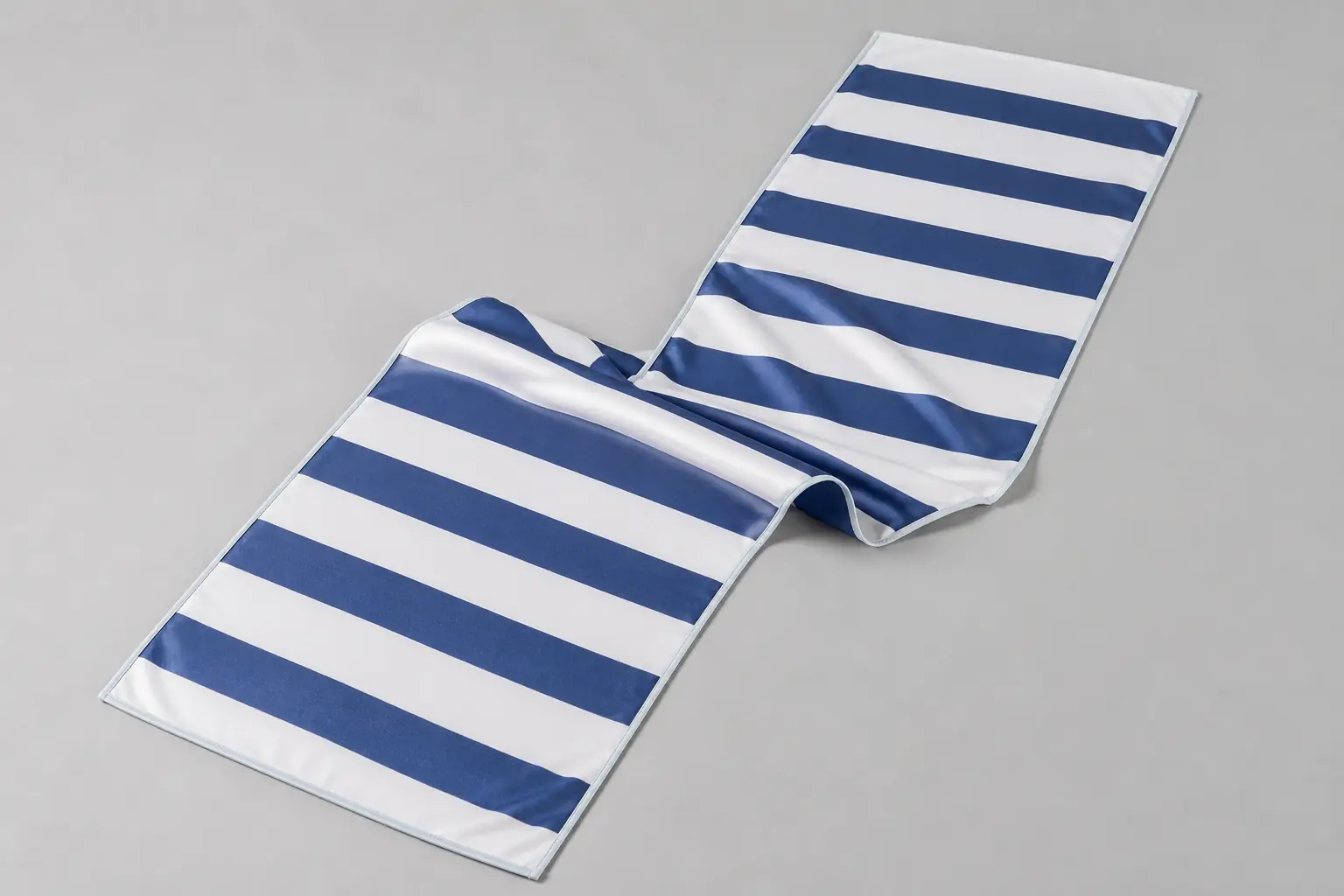
BUYING GUIDE / CLAIM AND CONSTRUCTION REVIEW
How to Compare Bamboo-Blend, Cotton and Cooling Towels without Trusting the Category Label
A useful comparison follows the same use card, construction fields, complete-article trials, claim boundaries and delivered-scope schedule for every supplier.
This guide is a procurement method, not a fiber endorsement or product certificate. Begin by separating the bath, hospitality, personal-care, sports or travel job and writing the contact, moisture event, movement, reuse and laundry route. Ask each supplier to identify the exact offered textile code and supported fiber wording. Then compare pile, ground, knit or weave, finish, dimensions, weight basis, edges, decoration and packed state under the same definitions. A bamboo-derived declaration does not automatically establish environmental benefit; cotton does not by itself establish softness or absorbency; and a cooling category does not prove a temperature result. Build a sample ladder that starts with a coded material, moves to a complete undecorated article, adds production-scale decoration and defined care work, and ends with a sealed pack. Index evidence by specimen, method, date and relevance, and keep marketing claims open when that chain is incomplete. Check whether conditioning, wash state and measurement units match before placing supplier numbers in one table. Record who owns destination review, artwork release, trial acceptance, inspection disposition and change approval. Photograph and label each retained object so a later team can distinguish an informative sample from the production comparator. Finally, normalize samples, reports, inspection, labels, pouches, cartons, retained references, MOQ, price and timing before comparing totals. The completed decision file should show required, offered, alternative and unresolved fields so a low headline price cannot hide a different construction or missing control.
01 / BUYER CONTEXT
Write the Contact, Moisture, Motion and Care Event First
The same towel label can serve unrelated tasks. Supplier comparison starts only after the operating event is shared.
01
User and contact
Identify skin, hair, equipment or another surface plus duration and sensitivity of contact.
02
Moisture and handling
Describe liquid source, pickup or wetting, wiping, wrapping, wringing, carrying and hanging sequence.
03
Reuse and channel
State laundry ownership, reuse frequency, storage, retail or institutional presentation and replacement decision.
02 / LANGUAGE CHECK
Separate Fiber Identity from Benefit and Environmental Claims
A composition statement and a performance statement require different evidence questions.
01
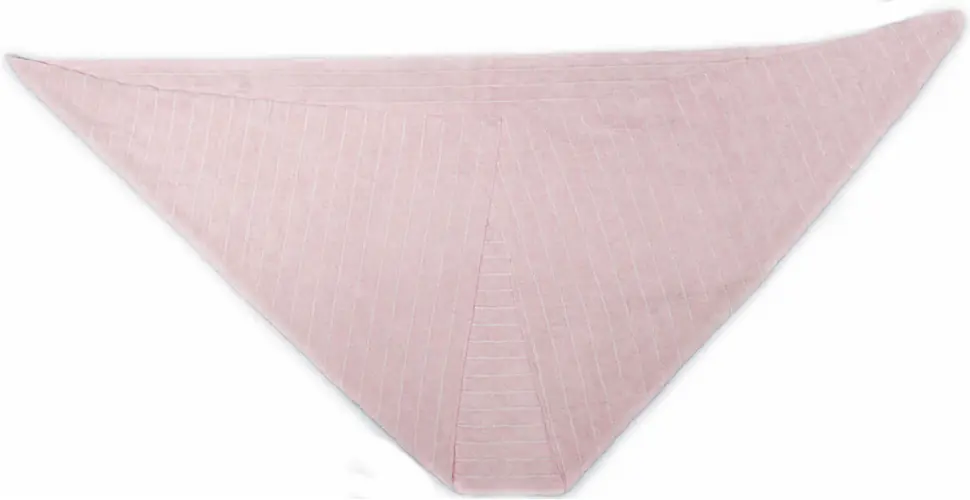
Bamboo-derived wording
Ask for exact declaration, supporting record, textile code and destination relevance; do not shorten technical wording into an unsupported green claim.
02
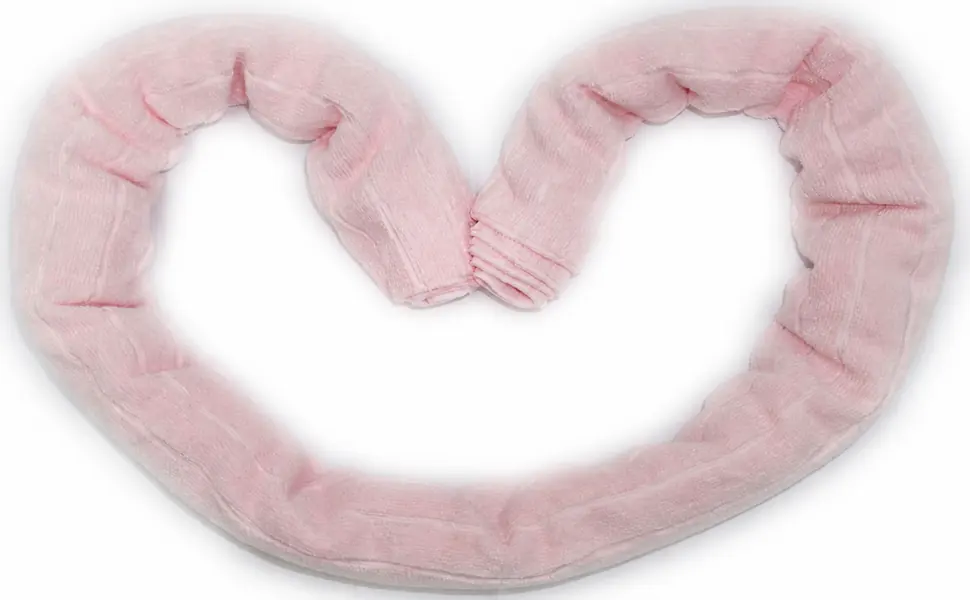
Cotton wording
Record only the offered and supported statement, without importing grade, origin or quality implications from another product.
03
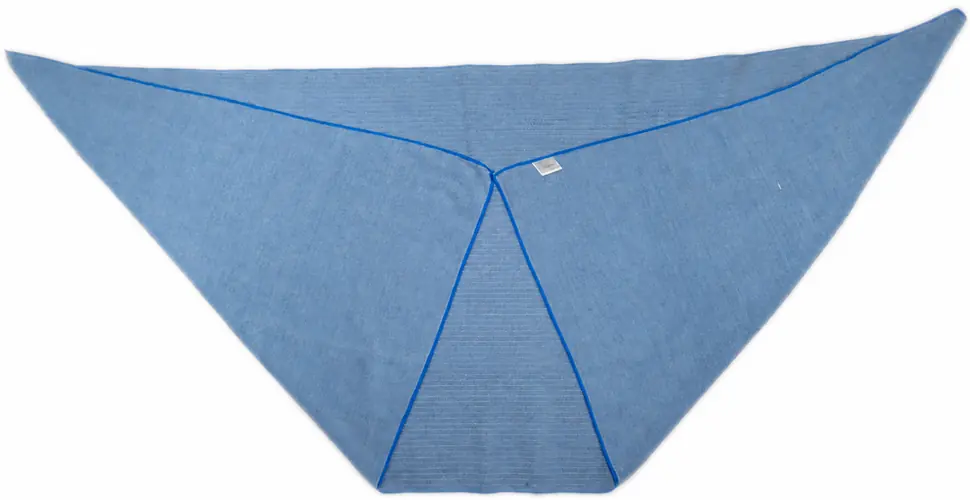
Cooling wording
Distinguish textile identity from evaporation, temperature or comfort results and request claim-specific conditions where wording will be published.
03 / SPECIFICATION READ
Compare Pile, Weave, Knit, Finish, Size and Weight Together
One isolated number cannot explain the finished article or its behavior after care.
| Question | Minimum identity | Review state | Procurement consequence |
|---|---|---|---|
| Which job? | User, surface, moisture, handling and laundry | Defined / unresolved | Chooses relevant comparison |
| Which build? | Textile code, declaration, architecture and complete form | Matched / alternative | Separates catalog names |
| Which number? | Conditioning, specimen, method, unit and tolerance | Comparable / contextual | Prevents false ranking |
| Which claim? | Article, procedure, result, market and owner | Supported / open | Limits release wording |
| Which delivery? | Sample, inspection, decoration, pack and change route | Included / omitted | Normalizes total scope |
01
Surface architecture
Identify loop, pile, flat weave or perforated knit and the face, reverse, ground and border.
02
Measurement basis
Align conditioning, specimen, pre-care or post-care state, units and tolerance for dimensions and mass.
03
Finish and edge
Record treatments, hems, bindings, loops, fringes and contact points on the complete product.
04 / USE TRIAL
Observe the Complete Article through Its Real Handling Sequence
Loose fabric omits geometry, edges, wet drape, wringing, carry volume and pack recovery.
01
Baseline identity
Photograph, condition and measure the coded finished sample before the trial.
02
Controlled event
Use the specified moisture, environment, contact, movement and duration instead of a dramatic demonstration.
03
Decision record
Document changes, limitations and approval owner without converting one observation into a universal claim.
05 / CARE INTERPRETATION
Read Wash Results with the Complete Recipe and Exact Specimen
Cycle count has little meaning when equipment, chemistry, loading and drying are missing.
01
Method variables
Capture washer, load, water, detergent, additives, agitation, rinse, extraction and drying.
02
Observed changes
Review dimensions, shade, surface, lint, odor, edges, decoration and handling at named intervals.
03
Scope limit
Use the result for the stated article and decision; do not infer indefinite life, hygiene or another SKU.
06 / EVIDENCE BOUNDARY
Match Absorbency, Cooling, Skin and Environmental Wording to Its Proof
Documents become useful only after article, specimen, method, date and market relevance are checked.
01
Performance claim
Define liquid or wet state, environment, comparison, endpoint and exact finished article.
02
Skin or odor language
Identify intended contact and applicable evaluation; keep unsupported antibacterial or hypoallergenic terms out of release copy.
03
Environmental claim
Verify chain, scope, certificate status, claim owner and destination rule before publication.
07 / OFFER COMPARISON
Expose Alternative Constructions and Missing Commercial Scope
Comparable pricing requires visible departures and identical inclusion fields.
| Comparison point | Hidden mismatch | Requested correction |
|---|---|---|
| Category label | Bamboo, cotton or cooling used without exact build identity | Name article and textile code |
| Performance language | Benefit inferred from composition or appearance | State claim conditions and proof |
| Measurements | Different conditioning or care state | Repeat under shared basis |
| Approval samples | One swatch priced as complete development | Itemize every gate |
| Shipment scope | Pouches, labels, inspection or cartons excluded | Recalculate equivalent delivered total |
Start from the buyer's proposed release language
Work backward to the exact product, specimen condition, procedure, outcome and market responsibility.
Show uncertainty in the final comparison
Informative material can guide questions, but unsupported fields stay unresolved rather than inheriting another product's result.
01
Departure schedule
Make suppliers identify every alternative material, finish, dimension, decoration and pack item.
02
Development inclusion
List coded samples, complete articles, trials, reports, inspection and retained references within each quotation.
03
Delivered basis
Tie MOQ, price and timing to configuration, quantity, labels, pouches, cartons and destination.
08 / RELEASE CONTROL
Carry the Decision into Production, Packing and Reorders
A buying guide closes only when the accepted evidence becomes an operational control file.
01
Inspection matrix
Connect identity, measurements, edges, decoration, appearance, count and claims to methods and disposition.
02
Packed comparator
Seal an approved article with fold, pouch, labels and carton allocation for release checks.
03
Change and archive
Require notice of material or process changes and preserve samples, reports and approvals for reorders.
Limits of category research and supplier examples
Category references help construct questions but do not qualify a factory or towel. A purchasing conclusion depends on records matched to the offered product, stated specimen condition, intended market and accepted use-and-care scenario.
Route-specific FAQ
Checks for comparing fiber and cooling terminology
Does bamboo fiber wording prove environmental performance?
No. Verify the exact declaration, chain, certificate scope and destination claim.
Can cotton and cooling towels be compared by GSM alone?
No. Construction, dimensions, finish, edges, conditioning, use and care must also match.
What makes a cooling claim reviewable?
A named wet state, environment, comparison, endpoint, method and exact finished article.
Why test the whole towel?
Geometry, edge contact, wet handling, wringing, carry volume and decoration are absent from a loose swatch.
How should supplier alternatives be handled?
List each departure explicitly and approve it against the same use and evidence requirements.
Does this guide certify any EverBen towel?
No. It organizes buyer questions and does not establish product performance or compliance.
Comparison closure
Convert the Checklist into a Controlled Supplier Comparison
Prepare the use card, wording register, construction sheet, measurement basis, complete-article trial, care protocol, evidence classification and delivered-scope schedule. Ask every supplier to expose alternatives and unresolved fields. Retain the chosen sample, decoration, packed unit and release decisions so the next order can be compared against the same product identity. Include who may approve a departure, how affected stock is identified and which evidence must be repeated after a declared construction or process change.