
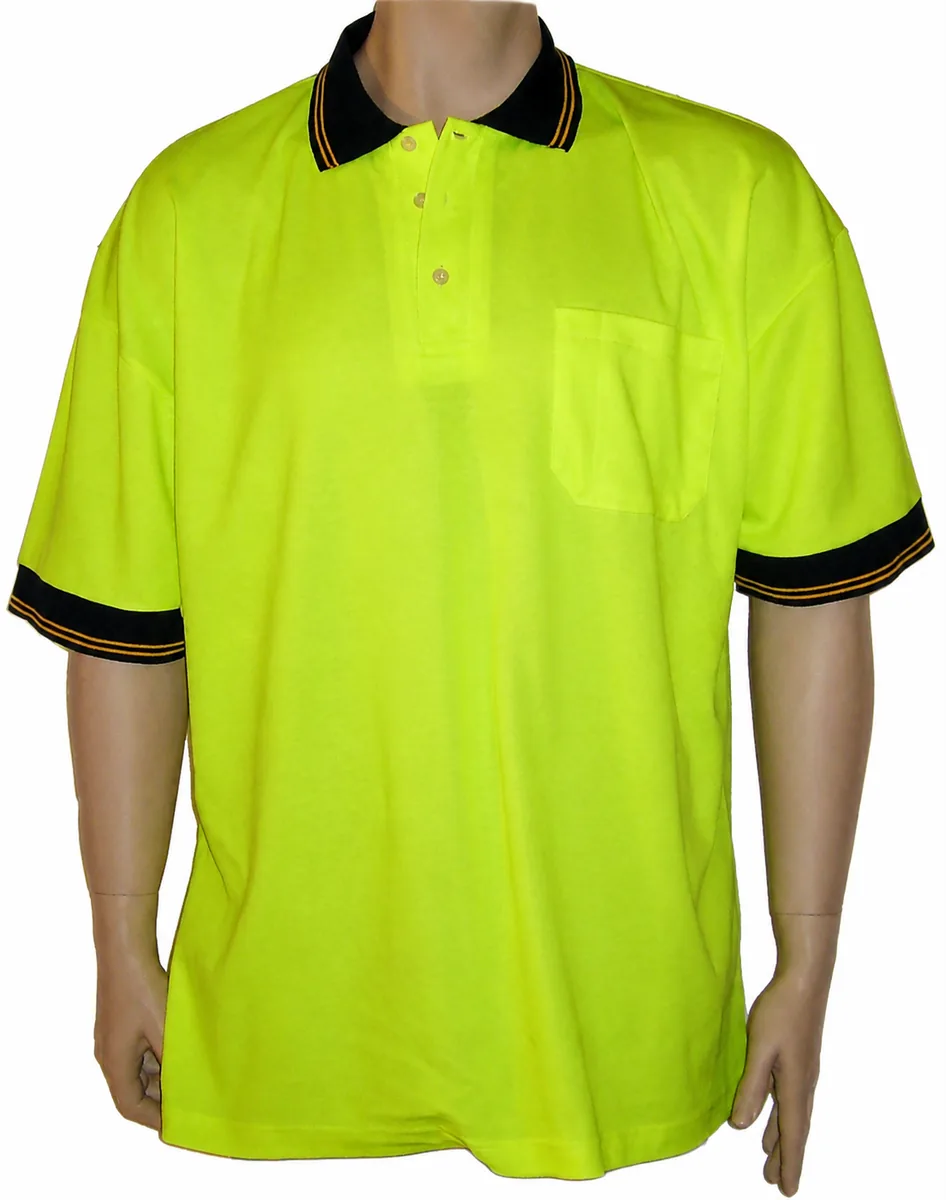
BUYING GUIDE / T-SHIRT FABRIC, FIT AND PRINTING
How to Choose Promotional T-Shirt Fabric Weight, Fit and Printing
A blank T-shirt is not print-neutral and a GSM number is not a complete apparel specification. Buyers need an intended campaign role, a controlled knit, a complete graded size set and decoration evidence from the exact garment route.
This guide separates fiber and yarn wording, knit construction, weight basis, shrinkage, pattern balance, neckline, print process, artwork, wash evidence and pack. It turns a visual merchandise idea into supplier-comparable approval objects without inventing a universal best fabric or print method.
01 / merchandise boundary
Define campaign role, wearer and use event before selecting a blank
A one-day event shirt, staff uniform, retail giveaway, sports top and youth kit face different appearance, movement, care and replacement expectations. Start with the actual use and buyer-owned design boundary.
- 01Define campaign and wearer
- 02Map use and care
- 03Confirm owned artwork
- 04Freeze the merchandise boundary
01
Name the merchandise role
Record event, channel, distribution method, reuse expectation, season, wearer and destination. Keep marketing objectives separate from unsupported comfort or performance claims.
02
Describe the wearing event
State duration, movement, layer system, indoor or outdoor exposure, laundering ownership and presentation. These facts guide the sample route without establishing universal fabric rankings.
03
Control owned artwork
Use buyer-authorized logos, graphics and wording with revision records. Exclude recognizable competitor art, unlicensed marks and claims that lack product-specific support.
02 / fabric identity
Control fiber wording, yarn, knit and finish as one fabric route
Cotton, polyester, blend and performance labels do not define hand, opacity, drape or print response. Require one textile code, construction record and complete garment reference for every option.
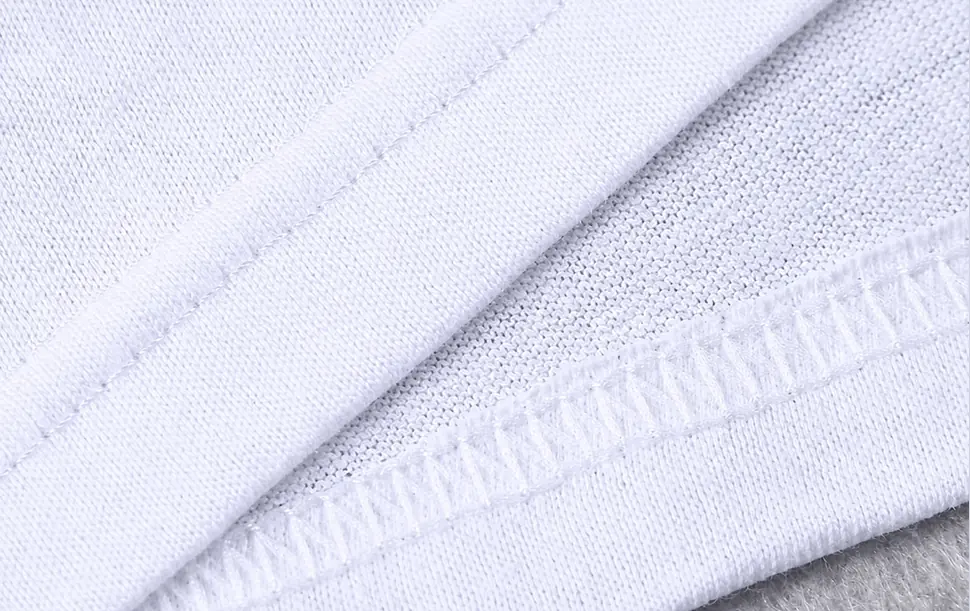
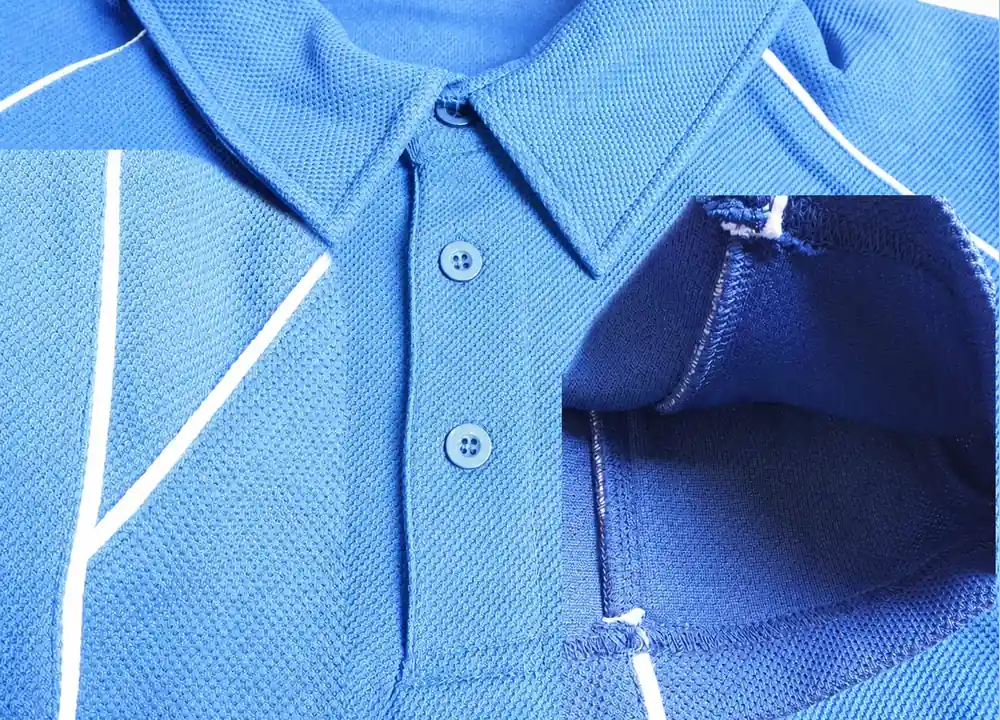
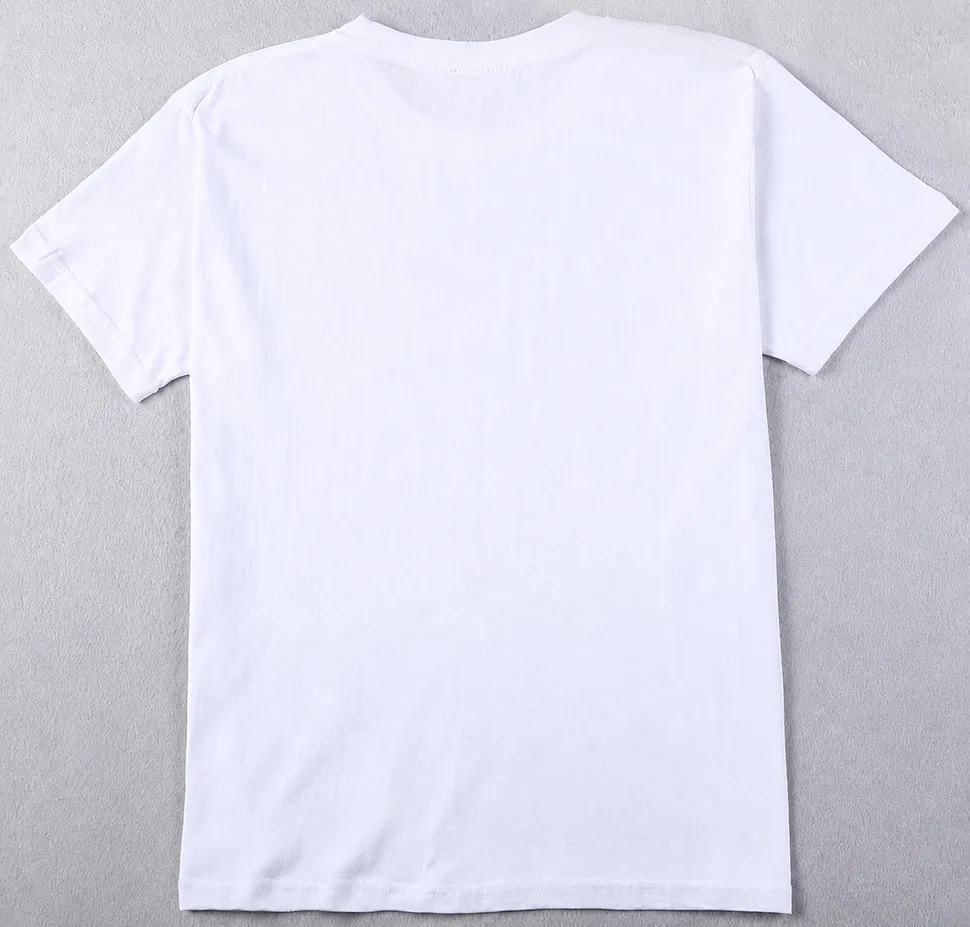
Work backward from the delivered decorated garment
Resolve promotional-apparel shorthand to campaign, wearer, complete size set, textile code, weight basis, pattern, construction, artwork, print route, care, packed reference and approval owner.
Keep swatch, blank and decorated approval distinct
A swatch cannot prove garment balance, a blank cannot prove print interaction, and a digital mockup cannot prove hand, stretch, cure, washing or packed presentation.
01
Declare the offered material
Record exact fiber wording, percentages, supplier code, yarn and knit information to the supported level. Keep unsupported identity or sustainability language open.
02
Identify knit architecture
Distinguish jersey, interlock, mesh or another offered route, including face/reverse, stretch direction and finish. Similar color and weight can hide different constructions.
03
Approve complete fabric behavior
Review hand, drape, opacity, surface, color and recovery on full garments. A loose swatch cannot prove neckline balance, printing, shrinkage or packed presentation.
03 / weight and condition
Normalize GSM, unit weight and garment condition before comparing offers
A fabric weight is comparable only when specimen condition, area, equipment and tolerance match. Finished unit weight adds garment construction and size to the decision.
- 01Condition identified textile
- 02Measure common specimen
- 03Check finished garment
- 04Release one weight basis
01
State the GSM method
Record bulk fabric or garment specimen, conditioning, area, scale, units, calculation and tolerance. Require every supplier to answer the same measurement basis.
02
Verify finished unit weight
Measure identified garments by size and connect the result to rib, thread, labels, decoration and finish. Keep unit weight separate from nominal fabric GSM.
03
Relate weight to use
Review drape, opacity, heat, drying, print support, laundry load, fold and freight for the intended program. Heavier is not automatically more suitable.
04 / fit architecture
Grade the complete size set instead of approving one middle-size sample
Straight, relaxed, athletic and youth silhouettes distribute width and length differently. Pattern, stretch, shrinkage and sewing must resolve into complete garments across the offered range.
| Decision row | Required relationship | Gap indicator |
|---|---|---|
| Fit reference | Silhouette, intended ease and complete garment resolve to one pattern revision | Generic fit nickname only |
| Dimensions | Landmarks, garment condition, method and tolerance cover every size | One middle-size chart |
| Material response | Stretch, recovery and shrinkage resolve to the graded garment | Pattern approved on another fabric |
| Decoration scale | Artwork placement and proportion are checked across the intended range | One mockup applied to all sizes |
| Continuity | Pattern, grade, textile and process changes trigger review | Silent size or fabric substitution |
01
Define the fit reference
Use buyer-owned garment or pattern references and state intended ease, length and visual balance. Avoid assuming slim or unisex names have universal dimensions.
02
Build the measurement chart
Name chest, body length, shoulder, sleeve, opening and other landmarks with garment condition, tolerance and method. Include every intended size.
03
Review the graded size set
Inspect complete smallest, middle and largest garments for proportion, neckline, armhole, hem and decoration scale. A single size cannot authorize all grades.
05 / garment build
Engineer neckline, seams, hems and lightweight-apparel details
Construction influences appearance, stretch, wash response and print placement. Approve the complete build on the selected fabric rather than specifying isolated stitch names.
- 01Freeze fabric and pattern
- 02Approve rib and seam route
- 03Inspect complete size set
- 04Release construction revision
01
Control neckline and rib
Record rib material, width, stretch, seam, topstitch and finished opening. Inspect flatness, recovery and distortion on the complete size set.
02
Map load and contact seams
Identify shoulder, sleeve, side, rise or inseam routes applicable to each garment. Review seam allowance, thread, stretch and contact under the stated wearing event.
03
Approve hems and labels
Specify hem depth, stitch appearance, label type, placement and contact face. Check how those details interact with print area, folding and wearer comfort.
06 / artwork execution
Select printing through artwork, fabric, hand, stretch and wash evidence
Screen print, transfer and other routes interact differently with knit surface, color and finish. Compare production-scale trials on the exact garment instead of relying on process labels.
01
Preflight the artwork
Record file owner, vector or raster route, dimensions, colors, placement landmarks, underbase needs and permitted simplification. Preserve every approval revision.
02
Trial on production fabric
Review detail, opacity, color, edge, hand, stretch and reverse-side effect on the exact textile and garment color. A smooth paper proof cannot represent knit interaction.
03
Validate cure and care
Record the actual production route and agreed wash method, then inspect cracking, lifting, migration, shade, hand and garment dimensions. Do not publish universal settings.
07 / release evidence
Connect sample gates, inspection and packing to one decorated garment revision
The delivered product includes the approved fabric, complete size, print, label, fold and pack. Component approval cannot replace the final merchandise review.
| Entity | Required attributes | Decision value | Review state |
|---|---|---|---|
| Program | Campaign, wearer, use event, care and claim boundary | Defines the represented merchandise route | Clear / open |
| Textile | Fiber wording, supplier code, yarn, knit, weight and finish | Defines the controlled fabric identity | Matched / unmatched |
| Garment | Pattern, grade, dimensions, neckline, seams, color and labels | Bounds blank-garment approval | Approved / conditional |
| Decoration | Artwork, process, placement, cure, care and packed comparator | Defines delivered-merchandise approval | Current / gap |
| Continuity | Material, pattern, print, process and reapproval controls | Preserves the accepted relationship | Active / reapproval due |
01
Separate approval gates
Control textile swatch, blank size set, print strike-off, decorated garments, care trial and packed unit as different objects with named owners and revisions.
02
Inspect critical characteristics
Check fabric identity, measurements, neckline, seams, shade, artwork, print condition, labels, count and packing against written references and sampling rules.
03
Retain the packed comparator
Seal complete garments with fold, size sticker or label, inner bag or sleeve, assortment and carton allocation for production and reorder comparison.
08 / commercial continuity
Carry fabric, fit and print controls into RFQ and reorder
Comparable quotations require identical scope, explicit alternatives and visible open fields. Reorders stay valid only while the approved textile, size, decoration and packing relationships remain current.
- 01Issue controlled apparel RFQ
- 02Review size set and print evidence
- 03Freeze one production revision
- 04Reapprove affected changes
01
Issue one program matrix
List wearer, garment, fiber wording, textile code, knit, GSM basis, sizes, fit, construction, color, artwork, print, care, evidence, packing, quantity and destination.
02
Price alternatives separately
Separate fabric, weight, pattern, size set, print, labels, testing and packing options. Evaluate savings together with sample and reapproval consequences.
03
Control every change
Require written notice before textile, yarn, knit, finish, pattern, grading, component, print chemistry, process, site or pack changes. Reapprove affected lanes before release.
Limits of promotional-apparel shorthand
Cotton, performance, heavyweight, unisex and premium-print language can organize discussion, but they do not qualify an EverBen garment or publish universal comfort, opacity, fit, wash or print results. A purchasing conclusion depends on the exact campaign, wearer, textile identity, weight basis, graded size set, construction, artwork, print route, complete sample, care trial, packing, destination, acceptance owner and buyer-approved wording.
Route-specific FAQ
Checks before promotional T-shirt fabric, fit and print approval
Does higher GSM mean a better promotional T-shirt?
No. GSM is a weight basis. Comfort, opacity, drape, printing, drying, laundering, pack and campaign economics depend on the whole garment route.
How should fabric weight be compared?
Use the same conditioning, specimen state, area, units and tolerance. Confirm the value on the identified knit and compare finished unit weight as a separate control.
Can one size chart be used for every fabric?
Not safely. Stretch, recovery, shrinkage, pattern and sewing affect the finished dimensions. Approve the actual size set for the selected garment route.
Which printing method is best?
No universal method is selected here. Artwork, order size, color, hand, stretch, fabric, wash, destination and pack determine which trials should be compared.
Can artwork be approved on a digital mockup?
A mockup can place the design, but print hand, color, detail, opacity, stretch and wash response require approval on the actual production fabric and garment.
How should kids sizing be handled?
Use buyer-owned age or body references, destination review and complete graded garments. Do not assume an age label defines one universal body size.
What changes reopen approval?
Fiber wording, yarn, knit, weight, finish, pattern, size grade, rib, thread, print chemistry, cure route, artwork, color, care or packing changes can reopen affected decisions.
What belongs in a promotional apparel RFQ?
Include campaign role, wearer, garment, material and knit, GSM basis, sizes, fit, construction, artwork, print route, care, evidence, packing, quantity, destination and change controls.
Construction decision
Convert a campaign garment idea into a controlled fabric, fit and print brief
Send the campaign role, wearer and destination, garment type, offered fiber and knit route, GSM and measurement basis, target size set and fit references, neckline and seams, artwork and decoration options, color, care, packing, quantity and delivery location. EverBen can organize these inputs into measurable samples and release gates.